“Pakistanis often recount how civil servants in Pakistan’s early days worked out of makeshift offices, lived in tents and ran the government with limited stationery supplies. While the account is generally accurate, and the sacrifice of the officials admirable, it is equally important to understand that the difficulty was the result of a poor choice. Pakistan’s founder had selected the country’s capital to be located in a city lacking adequate facilities, preferring it over another provincial capital with a better establishment.”
Quote by Husain Haqqani
Work
Reimagining Pakistan: Transforming a Dysfunctional Nuclear State
Browse quotes and source details for this work. more
Author
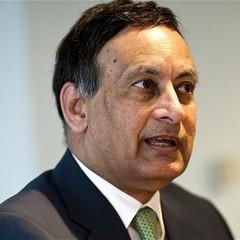
Husain Haqqani
Husain Haqqani is an author and academic specializing in Pakistan and South Asia. Born on July 1, 1956, he has authored numerous works on the region's political and economic issues, and served as Pakistan's ambassador to the United States from 2008 to 2011. more
You May Also Like
“Don't spend Capital competing with people who are spending Profits.”
Source: The Marx-Engels reader
“Remember, a smile is more contagious than the coronavirus.”
“social capital pyramid scheme”
Source: Null States
Source: Reimagining Pakistan: Transforming a Dysfunctional Nuclear State
Source: WTF?: What's the Future and Why It's Up to Us
Source: Uproot: Travels in 21st-Century Music and Digital Culture
Source: Capital in the Twenty First Century
Source: The Land Flowing With Milk And Honey