“Darlene told me that the hormones women have in them when they've got PMS, men have in them all the time," says Myrna. "That would account for world leaders," says Leonie.”
Quote by Margaret Atwood
Work
Old Babes in the Wood: Stories
Browse quotes and source details for this work. more
Author
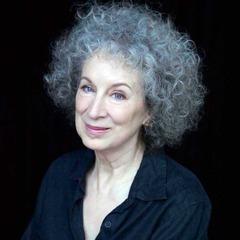
Margaret Atwood
Margaret Atwood is a renowned Canadian poet, novelist, playwright, and critic, born on November 18, 1939. Her works are known for their unique style and profound insights into social issues, with notable titles including 'The Handmaid's Tale' and 'Cat's Eye'. more
You May Also Like
Source: Waiting with God: 31 Days to Finding Answers for Unanswered Prayers
Source: Eating Disorders: A Contemporary Introduction
Source: Eating Disorders: A Contemporary Introduction
Source: Eating Disorders: A Contemporary Introduction
Source: Eating Disorders: A Contemporary Introduction
Source: Eating Disorders: A Contemporary Introduction
Source: Eating Disorders: A Contemporary Introduction
“Women are not possessions. She belongs to herself, you arrogant halfwit.”
Source: Throne of the Fallen
Source: Land of Milk and Honey
Source: Powdered Saxophone Music