Quotessence
Home / Quotes / Quote by Kent Haruf

Quote by Kent Haruf

“Why hell, look at us. Old men alone. Decrepit old bachelors out here in the country seventeen miles from the closest town which don't amount to much of a good goddamn even when you get there. Think of us. Crotchety and ignorant. Lonesome. Independent. Set in all our ways. How you going to change now at this age of life? I can't say, Raymond said. But I'm going to. That's what I know.”

Quote by Kent Haruf

Work

Plainsong

Browse quotes and source details for this work. more

Author

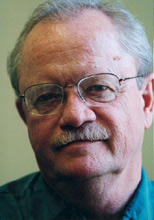
Kent Haruf
Kent Haruf

Kent Haruf was an American novelist known for his vivid portrayal of rural life in the American Midwest. His works delve into the complexities of human nature and the diversity of society, earning him a dedicated following among readers. more

You May Also Like

“Through the stillness they heard the church clock striking five. "Oh, Ethan, it's time!" she cried. He drew her back to him. "Time for what? You don't suppose I'm going to leave you now?" "If I missed my train where'd I go?" "Where are you going if you catch it?" She stood silent, her hands lying cold and relaxed in his. "What's the good of either of us going anywheres without the other one now?" he said.”

“At last, we arrived home. Indian Vale. The house my father had built that had become mine and that one day would be my daughter’s, if she chose to stay in the area. She wouldn’t, though. Why should she? The young people here moved somewhere else as fast as they could, and the old folks withered away and died. The factories vanished and the mines and mills sank into the ground, and in their places were erected fast food joints and furniture rental places and pawnshops. Sometimes I hear places like where I live called “Real America,” and I know it rankles some folks—city folks, mostly—something awful, and I wish I could tell them it’s only done out of politeness. That it’s only people saying nice things about the dying.”

“In addition, when they talked as if city people lived by different values, they were not emphasizing abortion, or gay marriage, or the things that are typically pointed to as the cultural issues that divide lower-income whites from the Democratic Party. Instead, the values they talked about were intertwined with economic concerns.”