Quotessence
Home / Quotes / Quote by Edith Wharton

Quote by Edith Wharton

“Through the stillness they heard the church clock striking five. "Oh, Ethan, it's time!" she cried. He drew her back to him. "Time for what? You don't suppose I'm going to leave you now?" "If I missed my train where'd I go?" "Where are you going if you catch it?" She stood silent, her hands lying cold and relaxed in his. "What's the good of either of us going anywheres without the other one now?" he said.”

Quote by Edith Wharton

Work

Ethan Frome

Ethan Frome is a poignant story that delves into the lives of its characters in a small, isolated community. The narrative focuses on the complex relationship between Ethan, a local blacksmith, and his wife Zeena, who is bedridden due to an injury. The story unfolds against the backdrop of a harsh New England winter, with the characters' lives intertwining with those of Zeena's cousin, Mattie, who arrives in the town. more

Author

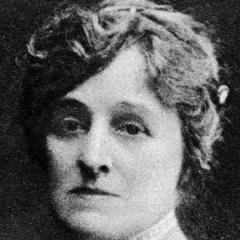
Edith Wharton
Edith Wharton

American novelist known for her delicate psychological portrayals and profound social insights. Edith Wharton came from a wealthy New York family and her works mainly reflect the American society at the end of the 19th century and the beginning of the 20th century. Her representative works include 'The Age of Innocence' and 'The House of Mirth' among others. more

You May Also Like

“At last, we arrived home. Indian Vale. The house my father had built that had become mine and that one day would be my daughter’s, if she chose to stay in the area. She wouldn’t, though. Why should she? The young people here moved somewhere else as fast as they could, and the old folks withered away and died. The factories vanished and the mines and mills sank into the ground, and in their places were erected fast food joints and furniture rental places and pawnshops. Sometimes I hear places like where I live called “Real America,” and I know it rankles some folks—city folks, mostly—something awful, and I wish I could tell them it’s only done out of politeness. That it’s only people saying nice things about the dying.”

“In addition, when they talked as if city people lived by different values, they were not emphasizing abortion, or gay marriage, or the things that are typically pointed to as the cultural issues that divide lower-income whites from the Democratic Party. Instead, the values they talked about were intertwined with economic concerns.”