Quotessence
Home / Quotes / Quote by R.J. Ellory

Quote by R.J. Ellory

“He walked back to the rear door of the diner and lit his cigarette. He inhaled deeply, exhaled again and watched the smoke break up and disappear into nothing. Hell, he thought, and smiled nostalgically. That age he would have done the same damned thing himself.”

Quote by R.J. Ellory

Work

Bad Signs

Browse quotes and source details for this work. more

Author

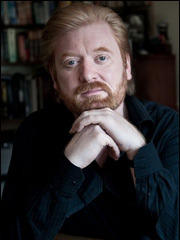
R.J. Ellory
R.J. Ellory

R.J. Ellory, whose real name is Roberts James Ellory, is a British author born on June 20, 1965. He is known for his intricate narrative techniques and profound character development. His works span various literary genres, including crime, historical, and suspense novels. more

You May Also Like

“Danijar riprese il canto. L’inizio era sempre così timido, malsicuro, ma a poco a poco la voce prese forza, riempì la valle, andò a risvegliare l’eco nelle rocce lontane. Ciò che mi sorprendeva di più era la passione, l’ardore che permeava la melodia stessa. Non sapevo come chiamare tutto questo, e non lo so tuttora, o più esattamente non posso dire se quella fosse soltanto la voce o qualche cosa di ben più importante che usciva dal cuore stesso dell’uomo, qualche cosa capace di suscitare negli altri una simile emozione, capace di animare i più segreti pensieri. Se mi fosse possibile, in qualche modo, riprodurre la canzone di Danijar! In essa non c’erano quasi parole, essa apriva senza parole l’anima profonda dell’uomo. Né prima, né dopo, mai ho udito una canzone simile: non somigliava né alle canzoni kazake, né alle canzoni kirghise, ma c’era in essa qualcosa delle due e delle altre. La musica di Danijar portava in sé tutte le più belle melodie dei due popoli fratelli e le fondeva in una sola canzone impossibile a ripetersi. Era una canzone dei monti e delle steppe, che ora s’alzava sonora come i monti kirghisi e ora si stendeva senza barriere come la steppa kazaka.”

“...normally I consider nostalgia to be a toxic impulse. It is the twinned, yearning delusion that (a) the past was better (it wasn´t) and (b) it can be recaptured (it can´t) that leads at best to bad art, movie versions of old TV shows, and sad dads watching Fox news. At worst it leads to revisionist, extremist politics, fundamentalist terrorism, and the victory-in Appalachia in particular-of a narcissist Manhattan cartoon maybe-millionaire and cramped-up city creep who, if he ever did go up to Rocky Top in real life, would never come down again.”

“The dreams of childhood—its airy fables; its graceful, beautiful, humane, impossible adornments of the world beyond: so good to be believed-in once, so good to be remembered when outgrown, for the least among them rises to the stature of a great Charity in the heart, suffering the little children to come into the midst of it, and to keep with their pure hands a garden in the stony ways of this world”

“Mas o tempo… o tempo primeiro fixa-nos e depois confunde-nos. Pensávamos que estávamos a ser adultos quando estávamos só a ser prudentes. Imaginávamos que estávamos a ser responsáveis, mas estávamos só a ser cobardes. Aquilo a que chamávamos realismo acabava por ser uma maneira de evitar as coisas e não de as enfrentar. Tempo… deem-nos tempo suficiente e as nossas decisões mais fundamentadas parecerão instáveis e as nossas certezas, bizarras.”

“The idea that she would leave all of this - the rooms of the house once more familiar and warm and comforting - and go back to Brooklyn and not return for a long time again frightened her now. She knew as she sat on the edge of the bed and took her shoes off and then lay back with her arms behind her head that she had spent every day putting off all thought of her departure and what she would meet on her arrival.”

“The men and women of the Golden Age, Hesiod wrote, lived in an eternal spring, for hundreds of years, always youthful, fed on acorns from a great oak, on wild fruits, on honey. In the Silver Age, which is less written about, the people lived for 100 years as children, without growing up, and then quite suddenly aged and died. The Fabians and the social scientists, writers and teachers saw, in a way earlier generations had not, that children were people, with identities and desires and intelligences. They saw that they were neither dolls, nor toys, nor miniature adults. They saw, many of them, that children needed freedom, needed not only to learn, and be good, but to play and be wild. But they saw this, so many of them, out of a desire of their own for a perpetual childhood, a Silver Age.”