“You know, an old man like me can teach a young boy like you all the good things in life. But it takes a young boy like you to teach an old man like me to appreciate all the good things in life. I guess that’s what life’s all about.”
Quote by Wilson Rawls
Work
Summer of the Monkeys
In this thought-provoking story, a monkey's unexpected appearance in a small town during the summer of 1950s America ignites a series of events that challenge the town's values and beliefs. The novel delves into the complexities of human nature, societal expectations, and the blurred lines between right and wrong, as the townspeople grapple with the monkey's presence and its implications for their lives. more
Author
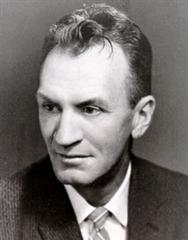
Wilson Rawls
Wilson Rawls was an American writer born on September 24, 1913, and died on December 16, 1984. Known for his children's literature, Rawls is best remembered for his classic novel 'Charlotte's Web'. His works often feature animals as main characters, exploring themes of friendship, growth, and the meaning of life. more
You May Also Like
“You raise boys to reject everything feminine then get mad when they become men who hate women.”
Source: Unlock Your Deliverance: Keys to Freedom From Demonic Oppression
“He's probably hungry, too, isn't he, Lacey? I've heard that about boys...”
Source: Assassin's Apprentice
Source: Untamed
Source: One Two Three
Source: More Than Forever
“Paradoxically, it is often when risking death that one feels the most alive.”
Source: SO MAN CREATED GOD IN HIS OWN IMAGE: The Science of Happiness
“Not every kid is fascinated by toys and not every girl is captured by boys.”