Quotessence
Home / Quotes / Quote by William Faulkner

Quote by William Faulkner

“Pues cuando Él quiere que una cosa se mueva, bien que la hace alargada, sean caminos o caballos o carros; pero cuando Él quiere que una cosa se esté quieta, la hace para arriba, como los árboles y los hombres.”

Quote by William Faulkner

Work

As I Lay Dying

William Faulkner's 'As I Lay Dying' is a narrative told from multiple perspectives, focusing on the Bundren family's journey to bury their mother in a distant town. The novel delves into themes of identity, fate, and the American South, showcasing Faulkner's distinctive prose style and his exploration of the human condition. more
Author

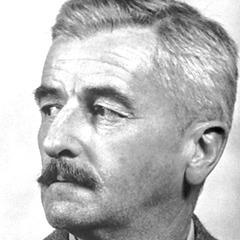
William Faulkner
William Faulkner

William Faulkner, an American writer born on September 25, 1897, and died on July 6, 1962. Known for his unique narrative techniques and profound descriptions of Southern society and history, Faulkner is considered one of the great novelists of the 20th century. more

You May Also Like

“La muerte, en abstracto, no nos importa. Lo que me importa a mí, y ahora lo descubro, es mi muerte. La mía. La mía sola, que nada puede arrebatarme y nadie puede compartir. [...] No es morir, no es siquiera saber que se va a morir, es saber que se va a morir y aceptarlo. Los perros se mueren y no lo saben, los más de los hombres se mueren y lo saben, pero no lo aceptan, llegan a la muerte como un niño al dentista, pataleando y chillando. Sólo reciben los plenos dones de la muerte los que saben y además lo aceptan. Los que celebran sus bodas con la muerte.”

“All young people believed they were immortal, and he had personal experience of the methods they used to cull themselves - base-jumping, sky-diving, hard drugs, alcohol. Over the years he'd come to see solid sense in the ways so-called savage peoples formalised their rituals of manhood; without such regulation, young men seemed compelled to invent their own, even more lethal, rites of passage.”

“But the second kind seek out the women who love women, who can procure a young man for them and add to the pleasure which they get from finding themselves with him; much more, they can, in the same way, find the same pleasure with them as with a man. [...] For in the relationships they have with them, they play the role of another woman for the women who love women, and the woman offers them at the same time more or less what they find in a man, so that the jealous friend suffers from feeling that the man he loves is inseparable from the woman who is for him almost a man, at the same time as he feels him almost escaping from him, because, for these women, he is something he does not know, a sort of woman.”