Quotessence
Home / Quotes / Quote by Hope Edelman

Quote by Hope Edelman

“The mother who abandons her daughter leaves a pile of questions behind: Who was she? Where is she? Why did she leave? Like the child whose mother dies, the abandoned daughter lives with a loss, but she also struggles with the knowledge that her mother is alive yet inaccessible and out of touch. Death has a finality that abandonment simply does not.”

Quote by Hope Edelman

Work

Motherless Daughters: The Legacy of Loss

This book examines the unique and often overlooked grief experienced by daughters who have lost their mothers, whether through death, abandonment, or other forms of separation. It delves into how such a loss shapes a woman's identity, relationships, and sense of self across different stages of life. Drawing from extensive interviews and psychological research, the author addresses topics such as the search for maternal guidance, the impact on romantic partnerships and motherhood, and the process of healing. The work is recognized as a seminal resource on the subject, offering validation and insight for those navigating this specific form of bereavement. more

Author
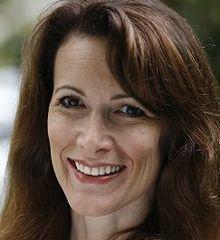
Hope Edelman
Hope Edelman

Hope Edelman is an American author born on June 17, 1964. Her works primarily focus on women's issues, particularly discussions about motherhood and feminine identity. Edelman is known for her in-depth research and moving narratives, with her books having a wide-reaching impact among women. more

You May Also Like

“A daughter whose mother chose to leave her or was incapable of mothering may feel like a member of the emotional underclass, like a dispensable part of society whose needs the government has ignored. As a result, she often develops a sense of devaluation and unworthiness even more profound than that of the daughter whose mother has died.”

“When the loss of a mother results in family chaos or feelings of abandonment, even the risk of subsequent loss can cause anxiety in the child and inspire behaviors designed to preserve the status quo. As the child matures, this anxiety may extend to concerns beyond and unrelated to the original loss, turning her into an adult who has difficulty making decisions out of fear of catastrophic results. Taking chances may feel too risky to her, and instead she seeks safety through controlling whatever aspects of her life she can.”

“Seonggok jagung di kamar dan seorang pemuda yang kurang sekolahan. Memandang jagung itu, sang pemuda melihat ladang; ia melihat petani; ia melihat panen; dan suatu hari subuh, para wanita dengan gendongan pergi ke pasar ……….. Dan ia juga melihat suatu pagi hari di dekat sumur gadis-gadis bercanda sambil menumbuk jagung menjadi maisena. Sedang di dalam dapur tungku-tungku menyala. Di dalam udara murni tercium kuwe jagung Seonggok jagung di kamar dan seorang pemuda. Ia siap menggarap jagung Ia melihat kemungkinan otak dan tangan siap bekerja Tetapi ini : Seonggok jagung di kamar dan seorang pemuda tamat SLA Tak ada uang, tak bisa menjadi mahasiswa. Hanya ada seonggok jagung di kamarnya. Ia memandang jagung itu dan ia melihat dirinya terlunta-lunta . Ia melihat dirinya ditendang dari diskotik. Ia melihat sepasang sepatu kenes di balik etalase. Ia melihat saingannya naik sepeda motor. Ia melihat nomor-nomor lotre. Ia melihat dirinya sendiri miskin dan gagal. Seonggok jagung di kamar tidak menyangkut pada akal, tidak akan menolongnya. Seonggok jagung di kamar tak akan menolong seorang pemuda yang pandangan hidupnya berasal dari buku, dan tidak dari kehidupan. Yang tidak terlatih dalam metode, dan hanya penuh hafalan kesimpulan, yang hanya terlatih sebagai pemakai, tetapi kurang latihan bebas berkarya. Pendidikan telah memisahkannya dari kehidupan. Aku bertanya : Apakah gunanya pendidikan bila hanya akan membuat seseorang menjadi asing di tengah kenyataan persoalannya ? Apakah gunanya pendidikan bila hanya mendorong seseorang menjadi layang-layang di ibukota kikuk pulang ke daerahnya ? Apakah gunanya seseorang belajat filsafat, sastra, teknologi, ilmu kedokteran, atau apa saja, bila pada akhirnya, ketika ia pulang ke daerahnya, lalu berkata : “ Di sini aku merasa asing dan sepi !”

“When we experience a break in connection followed by repeated attempts at repair until the bond is restored, we build implicit pathways of resilience. We come to know in a visceral way that when things break down interpersonally, someone will return to help us come back into relationship. That wired-in optimism and expectation makes it much more likely that we will form relationships that have this quality. Most of the people who come to us haven't had this experience consistently in their lives, so when they encounter it with us, it is often surprising to the point of tears. As we accept and then rejoice in our humanness, we offer this vital gift of rupture and repair to those around us.”