Quotessence
Home / Quotes / Quote by Leo Tolstoy

Quote by Leo Tolstoy

Author

Leo Tolstoy
Leo Tolstoy

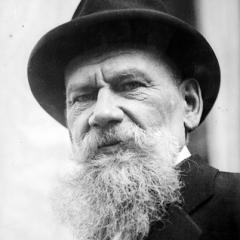
Leo Tolstoy was a Russian writer and thinker, a prominent representative of 19th-century Russian literature. His works deeply revealed social contradictions and human nature, and had a profound impact on the world. more

You May Also Like

“The nice people do not come to God, because they think they are good through their own merits or bad through inherited instincts. If they do good, they believe they are to receive the credit for it; if they do evil, they deny that it is their own fault. They are good through their own goodheartedness, they say; but they are bad because they are misfortunate, either in their economic life or through an inheritance of evil genes from their grandparents. The nice people rarely come to God; they take their moral tone from the society in which they live. Like the Pharisee in front of the temple, they believe themselves to be very respectable citizens. Elegance is their test of virtue; to them, the moral is the aesthetic, the evil is the ugly. Every move they make is dictated, not by a love of goodness, but by the influence of their age. Their intellects are cultivated—in knowledge of current events; they read only the bestsellers, but their hearts are undisciplined. They say that they would go to church if the Church were only better—but they never tell you how much better the Church must be before they will join it. They sometimes condemn the gross sins of society, such as murder; they are not tempted to these because they fear the opprobrium which comes to them who commit them. By avoiding the sins which society condemns, they escape reproach, they consider themselves good par excellence.”

“Evil then consists not in being created but in the rebellious idolatry by which humans worship and honour elements of the natural world rather than the God who made them. The result is that the cosmos is out of joint. Instead of humans being God's wise vice-regents over creation, they ignore the creator and try to worship something less demanding, something that will give them a short-term fix of power or pleasure.”

“Strong passions are the precious raw material of sanctity. Individuals that have carried their sinning to extremes should not despair or say, “I am too great a sinner to change,” or “God would not want me.” God will take anyone who is willing to love, not with an occasional gesture, but with a “passionless passion,” a “wild tranquility.” A sinner, unrepentant, cannot love God, any more that a man on dry land can swim; but as soon as he takes his errant energies to God and asks for their redirection, he will become happy, as he was never happy before. It is not the wrong things one has already done which keep one from God; it is the present persistence in that wrong.”

“Very harmful effects can follow accepting the philosophy which denies personal guilt or sin and thereby makes everyone nice. By denying sin, the nice people make a cure impossible. Sin is most serious, and the tragedy is deepened by the denial that we are sinners…The really unforgiveable sin is the denial of sin, because, by its nature, there is now nothing to be forgiven. By refusing to admit to personal guilt, the nice people are made into scandalmongers, gossips, talebearers, and supercritics, for they must project their real if unrecognized guilt to others. This, again, gives them a new illusion of goodness: the increase of faultfinding is in direct ratio and proportion to the denial of sin.”