“Sabina saw another river flow, another semantic river: each time the same object would give rise to a new meaning, though all former meanings would resonate (like an echo, like a parade of echoes) together with the new one. Each new experience would resound, each time enriching the harmony. … Now, perhaps, we are in a better position to understand the abyss separating Sabina and Franz: he listened eagerly to the story of her life and she was equally eager to hear the story of his, but although they had a clear understanding of the logical meaning of the words they exchanged, they failed to hear the semantic susurrus of the river flowing through them.”
Quote by Milan Kundera
Work
The Unbearable Lightness of Being
Browse quotes and source details for this work. more
Author
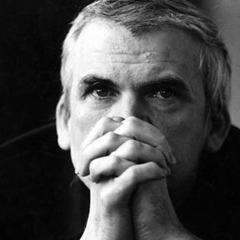
Milan Kundera
Milan Kundera is a renowned Czech-French writer known for his profound psychological insights and unique narrative techniques. His works often explore themes of personal freedom, love, morality, and existentialism, with notable titles including 'The Unbearable Lightness of Being' and 'The Joke'. more
You May Also Like
Source: Liquid Modernity
Source: The Round Table, Vol. 1: A Collection of Essays on Literature, Men, and Manners
Source: The Drowned
Source: Keith Haring Journals
Source: Idiosyncratic Person-Centred Therapy: From the Personal to the Universal
Source: Weighty 'n' Worthy African Proverbs - Volume 1
Source: Being a Brain-Wise Therapist: A Practical Guide to Interpersonal Neurobiology