“Me resulta interesante que la vida más miserable, la existencia más pobre, se atribuya a la voluntad divina, pero, a medida que los seres humanos se encuentran más acomodados, a medida que su nivel y estilo de vida empiezan a ascender por la escala material, Dios desciende por la de la responsabilidad con la misma rapidez”
Quote by Maya Angelou
Work
I Know Why the Caged Bird Sings
Maya Angelou's memoir recounts her childhood in the American South during the 1930s and 1940s, highlighting her journey of self-discovery and the challenges she faced due to racial discrimination. The narrative delves into her experiences with poverty, abuse, and the search for her own identity, offering a poignant and inspiring look at the human spirit. more
Author
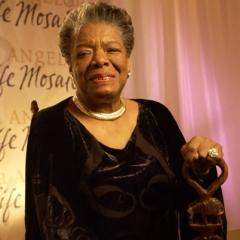
Maya Angelou
Maya Angelou was an American author, poet, playwright, actress, and lecturer, known for her profound exploration of race, gender, and culture in her work. Her autobiographical works, including 'I Know Why the Caged Bird Sings,' which detailed her early life of poverty and sexual exploitation, have gained widespread acclaim. more
You May Also Like
Source: Antropologia de la muerte
Source: Marina
Source: Los de abajo
Source: Carcoma
“Obstacles are things a person sees when he takes his eyes off his goal.”
Source: The Spiritual Exercises
Source: Of Human Bondage