“Doc was collecting marine animals in the Great Tide Pool on the tip of the Peninsula. It is a fabulous place: when the tide is in, a wave-churned basin, creamy with foam, whipped by the combers that roll in from the whistling buoy on the reef. But when the tide goes out the little water world becomes quiet and lovely. The sea is very clear and the bottom becomes fantastic with hurrying, fighting, feeding, breeding animals. Crabs rush from frond to frond of the waving algae. Starfish squat over mussels and limpets, attach their million little suckers and then slowly lift with incredible power until the prey is broken from the rock. And then the starfish stomach comes out and envelops its food. Orange and speckled and fluted nudibranchs slide gracefully over the rocks, their skirts waving like the dresses of Spanish dancers. And black eels poke their heads out of crevices and wait for prey. The snapping shrimps with their trigger claws pop loudly. The lovely, colored world is glassed over. Hermit crabs like frantic children scamper on the bottom sand. And now one, finding an empty snail shell he likes better than his own, creeps out, exposing his soft body to the enemy for a moment, and then pops into the new shell. A wave breaks over the barrier, and churns the glassy water for a moment and mixes bubbles into the pool, and then it clears and is tranquil and lovely and murderous again. Here a crab tears a leg from his brother. The anemones expand like soft and brilliant flowers, inviting any tired and perplexed animal to lie for a moment in their arms, and when some small crab or little tide-pool Johnnie accepts the green and purple invitation, the petals whip in, the stinging cells shoot tiny narcotic needles into the prey and it grows weak and perhaps sleepy while the searing caustic digestive acids melt its body down. Then the creeping murderer, the octopus, steals out, slowly, softly, moving like a gray mist, pretending now to be a bit of weed, now a rock, now a lump of decaying meat while its evil goat eyes watch coldly. It oozes and flows toward a feeding crab, and as it comes close its yellow eyes burn and its body turns rosy with the pulsing color of anticipation and rage. Then suddenly it runs lightly on the tips of its arms, as ferociously as a charging cat. It leaps savagely on the crab, there is a puff of black fluid, and the struggling mass is obscured in the sepia cloud while the octopus murders the crab. On the exposed rocks out of water, the barnacles bubble behind their closed doors and the limpets dry out. And down to the rocks come the black flies to eat anything they can find. The sharp smell of iodine from the algae, and the lime smell of calcareous bodies and the smell of powerful protean, smell of sperm and ova fill the air. On the exposed rocks the starfish emit semen and eggs from between their rays. The smells of life and richness, of death and digestion, of decay and birth, burden the air. And salt spray blows in from the barrier where the ocean waits for its rising-tide strength to permit it back into the Great Tide Pool again. And on the reef the whistling buoy bellows like a sad and patient bull.”
Quote by John Steinbeck
Work
Cannery Row is a novel by John Steinbeck that portrays the lives of the residents of a street in Monterey, California, known for its sardine canning industry. The story centers on a group of eccentric and impoverished characters, including a marine biologist named Doc, a group of unemployed men led by Mack, and various other local figures. The narrative weaves together their daily struggles, friendships, and small adventures, capturing a sense of community and resilience amid economic hardship. The book is known for its episodic structure, humor, and sympathetic depiction of marginalized people, reflecting Steinbeck's interest in social issues and the human condition. more
Author
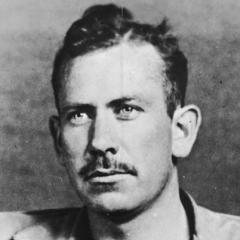
John Steinbeck was an American author renowned for his profound depiction of American society and the lives of farmers. His works often explore themes of poverty, social injustice, and human nature. Steinbeck was awarded the Nobel Prize in Literature in 1962 for his significant contribution to American literature. more
You May Also Like
“He’s more persistent than a case of crabs in a rent-by-the-hour motel”