Quotessence
Home / Quotes / Quote by Mary Wortley Montagu

Quote by Mary Wortley Montagu

“Nähtyäni osia Aasiasta ja Afrikasta ja kierrettyäni miltei koko Euroopan uskon, että rehellinen englantilainen heppu on muita onnellisempi, kun hän pitää kreikkalaisia viinejä vähemmän maukkaina kuin maaliskuussa pantua olutta, ajattelee etteivät afrikkalaiset hedelmät maistu yhtä hyviltä kuin kullankeltaiset pikkuomenat, uskoo naudan takaselästä leikatun pihvin olevan parempaa kuin Italian viikunoiden ja punnitsee muutenkin kaiken kaikkiaan ettei tästä elämästä voisi mitenkään nauttia vanhan kunnon Englannin ulkopuolella. Rukoilen Jumalaa, että ajattelisin itsekin samoin lopun elämääni, ja koska minun on tyydyttävä tämän maan suomaan viheliäiseen päivänvalon määrään toivon, että unohtaisin pian Konstantinopolin eloisan auringon.”

Quote by Mary Wortley Montagu

Work

Elämänmenoa Kultaisessa sarvessa

Browse quotes and source details for this work. more

Author
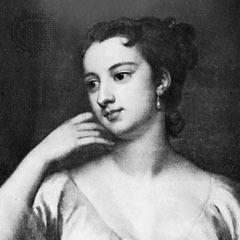
Mary Wortley Montagu

Mary Wortley Montagu was an English writer known for her epistolary works and travel diaries. Born on May 15, 1689, and died on August 21, 1762, she is celebrated for her interest in Eastern cultures and her reflections on the status of women. more

You May Also Like

“We read the letters of the dead like helpless gods, but gods, nonetheless, since we know the dates that follow. We know which debts will never be repaid. Which widows will remarry with the corpse still warm. Poor dead, blindfolded dead, gullible, fallible, pathetically prudent. We see the faces people make behind their backs. We catch the sound of wills being ripped to shreds. The dead sit before us comically, as if on buttered bread, or frantically pursue the hats blown from their heads. Their bad taste, Napoleon, steam, electricity, their fatal remedies for curable diseases, their foolish apocalypse according to St. John, their counterfeit heaven on earth according to Jean-Jacques… We watch the pawns on their chessboards in silence, even though we see them three squares later. Everything the dead predicted has turned out completely different. Or a little bit different – which is to say, completely different. The most fervent of them gaze confidingly into our eyes: their calculations tell them that they’ll find perfection there.”

“When you suffer, you are being conformed to the image of Jesus. When you pray, you are being made holy in the image of Jesus. When you quietly serve a person in need, you are being shaped into the image of Jesus. When you generously give, your heart is being remade into the image of Jesus, our Lord and Savior.”

“P.S.2. During the day, they are drilling us on passwords we will need in the jungle in case we run into a Japanese spy dressed like a USMC. One of them was "Who lost game 4 of the 1941 W. Series?" Half the guys said "Brooklyn" and the other half said "Mickey Owen" and the third half said "Tommy Henrich". Then some fist fights happened so they scrapped the question. But I told you so.”

“Mon dieu! — George Mallory! When that’s been written, what more need be said? My hand trembles, my heart palpitates, my whole being swoons away at the words — oh heavens! heavens! I found of course that he’d been absurdly maligned — he’s six foot high, with the body of an athlete by Praxiteles, and a face — ah, incredible — the mystery of Botticelli, the refinement and delicacy of a Chinese print, the youth and piquancy of an unimaginable English boy . . . . For the rest, he’s going to be a schoolmaster, and his intelligence is not remarkable. What’s the need?”

“Have you been reading the letters of Rosa Luxemburg again, Donatella?’ Brunetti asked in a normal voice. She laughed her bright laugh, a sound he delighted in hearing because to be thought clever or amusing by this woman was, to Brunetti, a jewel of great price. ‘No dear, not recently. Besides, they’re very serious and filled with lofty thoughts about the inner contradictions of capitalism, and I’m too old to enjoy reading things like that.’ She gave him a level glance as though she were testing how far she could go – the same look he had sometimes been given by her daughter – and added, ‘And too rich.’ This time it was Brunetti who laughed.”