Quotessence
Home / Quotes / Quote by Jeff VanVonderen

Quote by Jeff VanVonderen

Work

Subtle Power of Spiritual Abuse, The

Browse quotes and source details for this work. more

Author
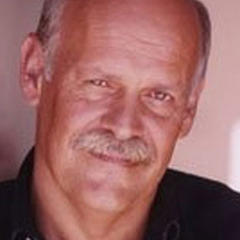
Jeff VanVonderen
Jeff VanVonderen

Jeff VanVonderen (born October 2, 1952) is an American author, speaker, and family therapist specializing in addiction, family systems, and spiritual health. He is best known for his books such as 'The Subtle Power of Spiritual Abuse' and 'Families Where Grace Is in Place,' which emphasize healthy relationship patterns and critique spiritual abuse and religious control. With extensive clinical experience, he has worked at treatment centers like Hazelden and lectured globally. His insights have influenced many individuals and groups seeking recovery from addiction and dysfunctional family dynamics. more

You May Also Like

“Jesus would publicly call out people in the faith community who are guilty for hurting/violating others. He wouldn't sit back in silence. He wouldn't bury the evidence. Or cover up abuse. In addition, He would never ignore, condemn, or ostracize those who've suffered trauma. He wouldn't say, “Get over it.”

“The Light Angel Prince has changed his nature, challenged his own creator, but what we took so long to build, he will not destroy," he said. "Upon him we must concentrate our might. For what he has done to my golden children and my land alone, he must end. I alone will teach him what it means to defy an Archangel. When I travel, the planets know when I am near. When I turn, the stars remember.”

“இதோடு முடிந்து விடட்டும் இந்த வாழ்க்கை என்று உடைந்து நொறுங்கையில்... ஒரு குழந்தையின் மெல்லிய சிரிப்போ... ஒரு நாய்க்குட்டியின் வாலாட்டலோ ... ஒரு பூனைக்குட்டியின் மெல்லிய உரசலோ... எவரோ ஒருவரின் சிறு புன்னகையோ ... பழக்கமில்லாதவர் வைக்கும் நம்பிக்கையோ... இதமான காற்றோ... ஒரு சில மழைத்துளிகளோ... மீண்டும் உயிரை விதைத்து செல்கின்றன... - ராஜேஷ் லேன்”

“He saw something more in those eyes. The emotion wasn't nakedly apparent, but Mr. Cawley was a professional at reading the subtleties of people. The elderly and wildly successful credit card magnate believed that certain human frailties could actually help fuel success. Insecurity drove billionaire entrepreneurs. Emotional instability made for superb art. The need for attention built great political leaders. But anger, in his experience, led only to inertia.”

“Once home [in 1838], Albert prepared a small album of scenes he had drawn on the journey, a dried ‘Rose des Alpes, and a scrap of Voltaire’s handwriting he had obtained from an old servant of the philosopher at Verney, and posted the souvenir to Victoria. Years later she attested it was 'one of her greatest treasures.”

“Albert wrote to his ‘dearest cousin’ on 26 June to offer his 'sincerest felicitations on that great change which had taken place in your life’. It was a difficult letter to compose. Now that she was 'Queen of the mightiest land of Europe’, he went on, 'the happiness of millions’ lay in her hands, and he trusted that Heaven would assist her in 'that high but difficult task.” He hoped for a long and happy - and glorious - reign, in which she would achieve the 'thankfulness and love’ of her subjects. He wished neither to be indiscreet nor to 'abuse’ her time, but, he closed, 'May I pray you to think likewise sometimes of your cousins in Bonn, and to continue to them that kindness you favoured them with till now.’ And he signed it as 'your Majesty’s most obedient and faithful servant, Albert’.”

“There are today many institutions, taken for granted as pillars of the establishment, which owe their existence, or their appearance, in part to Albert. He is regarded as the architect of the modern monarchy; and when his great-great granddaughter, Queen Elizabeth II, waves to people from Buckingham Palace, she does so standing on the balcony which was Albert’s idea.”

“One of the ‘faults’, which Albert attempted to cure her of, and failed, was the Queen’s inability to live in the present. When she was happy, she fended off the future by anticipating it; and dealt with change when it came by dwelling on the past. The band under her window would wake her with a hymn – ‘Now thank we all our God’, or Psalm 100 – while Albert wished her joy so tenderly, so merrily, so lovingly, that she confessed humbly: ‘Often I feel surprised at being so loved, and tremble at my great happiness, dreading that I may be too happy.”