“There are girls who do not like real life. When they hear the harsh belches of its engines approaching along the straight road that leads from childhood, through adolescence to adultery, they dart into a side turning. When they take their hands away from their eyes, they find themselves in the gallery of the ballet. There they sit for many years feeding their imaginations on those fitful glimpses of a dancer's hand or foot which seats in the upper parts of theatres afford. When I was young I too 'adored' the ballet. For me its charm was that one of the dancers might break his neck, but what appeals to these girls is the moonlit atmosphere of love and death which the withering hand of truth can never compromise. During the intervals they hold hands, numbed by excessive applause, with the homosexual young man who is bound to be sitting on their right or left. Even the boys, who have no positive intention of deceiving them, are drawn into a relationship damaging to the girls. After a lot of squeaking at the bus stop when the ballet is over, the young men pursue on the way home other interests, which at least yield a morsel of satisfaction. The girls can do nothing but return to their joss-stick-perfumed nunneries. From this position there is no way back. They can only stay where they are until, in middle age, they awaken to the realization that they don't know a single person who isn't queer. Then they move on to the uncharted quicksands of nudism, Yoga, vegetarianism and other diseases of the soul too terrible to name.”
Quote by Quentin Crisp
Work
Browse quotes and source details for this work. more
Author
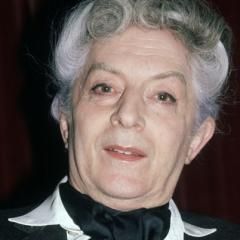
Quentin Crisp (December 25, 1908 – November 21, 1999) was an English writer, actor, and social commentator, best known for his flamboyant style and open homosexuality during a time of widespread prejudice. Born Denis Charles Pratt in Sutton, London, he later adopted the name Quentin Crisp. His 1968 autobiography, 'The Naked Civil Servant,' chronicled his life as an openly gay man in conservative Britain, and was adapted into a critically acclaimed TV film starring John Hurt. Crisp also wrote 'How to Have a Style' and 'Manners from Heaven,' and appeared in films like 'Orlando' and 'The Bride.' He moved to New York in the 1980s, becoming a cultural icon known for his wit and advocacy of individuality. He died in Manchester at age 90. more
You May Also Like
“Because what do smart, selfish girls do?" "They take care of themselves.”