“Our institutions are too big; they represent not the best but the worst characteristics of human beings. By submitting to huge hierarchies of power, we gain freedom from personal responsibility for what we do and are forced to do - the seduction of it - but we lose the dignity of being real men and women. Power corrupts; attracts the worst and corrupts the best. ... Refuse to participate in evil; insist on taking part in what is healthy, generous, and responsible. Stand up, speak out, and when necessary fight back. Get down off the fence and lend a hand, grab a-hold, be a citizen - not a subject.”
Quote by Edward Abbey
Work
Postcards from Ed: Dispatches and Salvos from an American Iconoclast
This book features a series of postcards, each accompanied by a short essay, providing a unique perspective on American life and its complexities. Ed Ruscha's distinctive style and wit are evident throughout, offering readers a glimpse into the mind of an influential artist and cultural critic. more
Author
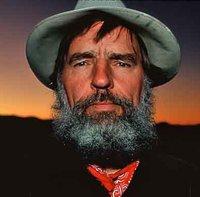
Edward Abbey
Edward Abbey was an American author known for his naturalist works and advocacy for environmental protection. His writings often take the desolate wilderness of the American Southwest as a backdrop, profoundly revealing the relationship between humans and nature. Abbey's writing style is unique, filled with humor and satire, and has had a profound impact on later generations. more
You May Also Like
Source: Evelina
Source: Citizen Zero
Source: The Grapes of Wrath
Source: Postcards from Ed: Dispatches and Salvos from an American Iconoclast
Source: Salvaged Poems
“it's hard to talk sensibly with giants - their massive heads tend to get lost in the clouds”
Source: Obey the Giant: Life in the Image World