“Back inside, I’m shown an antique cabinet in which members of the community, famous for their homegrown produce, dried herbs. The Oneida Community was an upstate tourist attraction right from the start, second, Valesky says, to Niagara Falls. I’m taking the same guided tour offered a hundred and fifty years ago to prim rubbernecks who came here to peep at sex fiends. I wonder how many of my vacationing forebears went home disappointed? They thought they were taking the train to Gomorrah but instead they got to watch herbs dry. Valesky opens a drawer in the herb cabinet so I can get a whiff. He mentions that back in the day, when one tourist was shown the cabinet she rudely asked her community-member guide, “What’s that odor?” To which the guide replied, “Perhaps it’s the odor of crushed selfishness.” Valesky grins. “How about that for a utopian answer?” To my not particularly utopian nose, crushed selfishness smells a lot like cilantro.”
Quote by Sarah Vowell
Work
This book combines travelogue with historical inquiry, chronicling the author's journey to visit locations where famous assassinations took place. The author offers a light-hearted perspective on these events, blending personal anecdotes with historical facts. more
Author
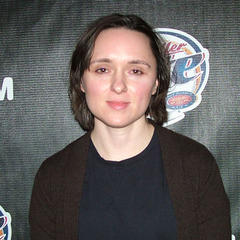
Sarah Vowell (born December 27, 1969) is an American author, journalist, and voice actress known for her humorous and insightful nonfiction works. She was born in Muskogee, Oklahoma, and grew up in Bozeman, Montana. Vowell is celebrated for her unique take on American history, blending personal anecdotes with historical analysis. Her notable books include 'Assassination Vacation' and 'The Wordy Shipmates.' She also voiced the character 'Mirage' in the animated film 'The Incredibles.' Vowell has contributed to The New York Times and regularly appears on the radio show 'This American Life.' Her writing style is witty, ironic, and deeply humanistic, exploring themes of identity, memory, and national identity. more
You May Also Like
“In a single wave of meaning the triumphant purity of being.”
“I have finished Pasternak with mixed feelings, which is more than I hoped for.”