“Conventional eating habits violate all of the rules of food combining in the preceding chapters and, since the majority of people manage to live for at least a few years and to "enjoy" their aches and pains and their frequent "spells of sickness," few of them are willing to give any intelligent consideration to their eating habits. They usually declare, when the subject of food combining comes up, that they eat all of the condemned combinations regularly and it does not hurt them. Life and death, health and disease are mere matters of accident to them. Unfortunately they are encouraged in this view by medical advisers.”
Quote by Herbert M. Shelton
Author
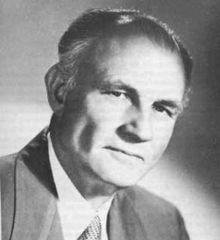
Herbert M. Shelton
Herbert M. Shelton was a renowned author born on October 6, 1895, and passed away on January 1, 1985. His works primarily revolved around health and natural therapies, which had a profound impact on modern diet and lifestyle. more
You May Also Like
“Do you smoke, Herr Cabal?" "Only to be antisocial," replied Cabal, making no move.”
Source: Johannes Cabal the Detective
Source: Infinite Jest
Source: The Art of the Commonplace: The Agrarian Essays
Source: The Blind Assassin
“An unhealthy life is destined to end with an unhealthy death.”
Source: EAT! Empower. Adjust. Triumph!: Lose Ridiculous Weight, Succeed On Any Diet Plan, Bust Through Any Plateau in 3 Empowering Steps!
Source: EAT! Empower. Adjust. Triumph!: Lose Ridiculous Weight, Succeed On Any Diet Plan, Bust Through Any Plateau in 3 Empowering Steps!
Source: The Wind-Up Bird Chronicle