“In the presence of Esch, values have hidden their faces. Order, loyalty, sacrifice—he cherishes all these words, but exactly what do they represent? Sacrifice for what? Demand what sort of order? He doesn't know. If a value has lost its concrete content, what is left of it? A mere empty form; an imperative that goes unheeded and, all the more furious, demands to be heard and obeyed. The less Esch knows what he wants, the more furiously he wants it. Esch: the fanaticism of the era with no God. Because all values have hidden their faces, anything can be considered a value. Justice, order—Esch seeks them now in the trade union struggle, then in religion; today in police power, tomorrow in the mirage of America, where he dreams of emigrating. He could be a terrorist or a repentant terrorist turning in his comrades, or a party militant or a cult member a kamikaze prepared to sacrifice his life. All the passions rampaging through the bloody history of our time are taken up, unmasked, and terrifyingly displayed in Esch's modest adventure.”
Quote by Milan Kundera
Book:The Art of the Novel
Work
The Art of the Novel
Browse quotes and source details for this work. more
Author
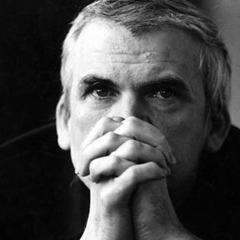
Milan Kundera
Milan Kundera is a renowned Czech-French writer known for his profound psychological insights and unique narrative techniques. His works often explore themes of personal freedom, love, morality, and existentialism, with notable titles including 'The Unbearable Lightness of Being' and 'The Joke'. more
You May Also Like
“Fall into the cavern of my mind, and together there, we will dine.”
Source: A Peculiar Treasure: Autobiography
Source: Earth and Ashes
Source: Mrs. Dalloway
Source: Mr. Montgomery
“Once you break someone’s heart, you are forever its master.”
Source: Matters of Convenience