“In our country we use different words [than feminism] which mean the liberation or the emancipation of women. Of course I believe in the emancipation of women. It will change a lot of things in society for the better. But, you know, the class patriarchal system under which we live oppresses men too and the discrimination from which women suffer is not good for the life of men. Don’t you think so?”
Quote by Nawal El Saadawi
Work
Walking through Fire: The Later Years of Nawal El Saadawi, In Her Own Words
Browse quotes and source details for this work. more
Author
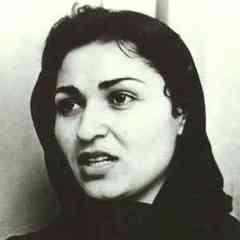
Nawal El Saadawi
Nawal El Saadawi is an Egyptian writer, physician, and feminist. Her works widely address themes such as women's status, gender equality, and social justice. Born on October 27, 1931, her works have had a profound impact in the Arab world and globally. more
You May Also Like
Source: Le Lys rouge suivi de Le Jardin d'Épicure
Source: My Mother: Demonology
“The more titles you carry with you, the more masks you find yourself hiding behind.”
Source: Delphine and the Silver Needle
Source: Hood Feminism: Notes from the Women That a Movement Forgot
Source: Where the Sidewalk Ends
Source: Marx, Women, and Capitalist Social Reproduction: Marxist Feminist Essays
Source: Disintegration: The Splintering of Black America
Source: Rubyfruit Jungle
Source: Walden or, Life in the Woods