“Некоторые критики ошибочно считают, что «Эгоистичный ген» проповедует эгоизм как нравственный принцип, которого мы должны придерживаться в жизни! Другие (возможно, потому, что они прочитали только заглавие книги или не пошли дальше первых двух страниц) полагают, что по моему мнению эгоизм и другие скверные черты характера составляют неотъемлемую часть человеческой природы, нравится нам это или нет. В эту ошибку легко впасть, если вы считаете, как, по-видимому, полагают непостижимым образом многие другие люди, что генетическая «детерминированность» дана нам навсегда, что она абсолютна и необратима. На самом же деле гены «детерминируют» поведение лишь в статистическом смысле (см. также с. 44–47). Хорошей аналогией этому служит широко распространенное мнение, что красный закат обещает ясную погоду на следующий день. Возможно, что по статистике красный закат действительно предвещает великолепную погоду назавтра, но никто не станет заключать об этом пари на крупную сумму. Мы прекрасно знаем, что на погоду действует множество факторов и притом очень сложными путями. Любое предсказание погоды подвержено ошибкам. Это всего лишь предсказание, опирающееся на статистику. Мы не считаем, что красные закаты бесспорно определяют хорошую погоду назавтра и точно так же мы не должны считать гены окончательными детерминантами чего бы то ни было. Нет никаких причин, чтобы влияние генов нельзя было повернуть в противоположную сторону с помощью других воздействий.”
Quote by Richard Dawkins
Book:Эгоистичный ген
Work
Эгоистичный ген
Browse quotes and source details for this work. more
Author
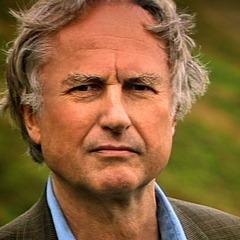
Richard Dawkins
Richard Dawkins is a British ethologist, writer, and thinker, known for his contributions to evolutionary theory, particularly in the field of modern synthesis. He is widely recognized for his best-selling book 'The Selfish Gene', which explains the central role of genes in biological evolution. Dawkins has made significant impacts in the field of science communication and has sparked widespread discussions about human behavior and morality. more
You May Also Like
Source: Roswell: Inconvenient Facts and the Will to Believe
“If you want to view paradise, simply look around and view it.”
Source: The diary of a young girl
Source: The Merkabah Recruit
“You may say what you will, At such peace I am terrified. There is nothing else beside.”
Source: Eumeswil