“Erik rose, as I entered, but dared not turn in my direction. 'Erik!' I cried, 'show me your face without fear! I swear you are the most unhappy and sublime of men; and, if ever again I shiver when I look at you, it will be because I am thinking of the splendor of your genius!' Then Erik turned round, for he believed me, and I also had faith in myself. He fell at my feet with words of love... with words of love in his dead mouth... and the music had ceased... He kissed the hem of my dress and did not see that I closed my eyes. "What more can I tell you, dear? You now know the tragedy. It went on for a fortnight- a fortnight during which I lied to him. My lies were as hideous as the monster who inspired them; but they were the price of my liberty. I burned his mask; and I managed so well that, even when he was not singing, he tried to catch my eye, like a dog sitting by its master. He was my faithful slave and paid me endless little attentions.”
Quote by Gaston Leroux
Work
This novel, originally published in 1910, tells the story of a disfigured musical genius who lives in the catacombs beneath the Paris Opera House. He falls in love with a young soprano, Christine Daaé, and becomes obsessed with her. The novel explores themes of love, obsession, and the human desire for beauty and perfection. more
Author
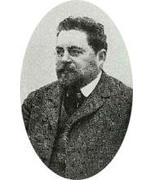
Gaston Leroux (1868–1927) was a French journalist, novelist, and playwright, best known for writing the gothic thriller "The Phantom of the Opera" published in 1910. Beginning his career as a court reporter and theater critic, he later devoted himself to fiction, producing over 40 novels. "The Phantom of the Opera" became his most enduring work, captivating readers with its mysterious atmosphere and romantic tension. In addition to this masterpiece, he authored "The Mystery of the Yellow Room," considered one of the first locked-room mysteries. Leroux's storytelling skill and vivid imagination significantly influenced the development of detective and horror fiction. His works have been adapted countless times for stage, film, and television, making him one of the most widely read French authors of the early 20th century. He died in Nice on April 15, 1927. more
You May Also Like
“death is never allowed to touch you”
“I've thought about nothing else but you.”