Quotessence
Home / Quotes / Quote by George Gissing

Quote by George Gissing

“He knew what poverty means. The chilling of brain and heart, the unnerving of the hands, the slow gathering about one of fear and shame and impotent wrath, the dread feeling of helplessness, of the world’s base indifference. Poverty! Poverty!”

Quote by George Gissing

Work

New Grub Street

Charles Reade's 'New Grub Street' is a satirical portrayal of the literary scene in Victorian London. The story follows a group of struggling writers as they navigate the challenges of the publishing industry, the pursuit of fame, and the complexities of personal relationships. The novel delves into the motivations and desires of its characters, offering a critical look at the literary aspirations of the time. more

Author

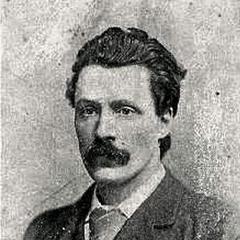
George Gissing
George Gissing

George Gissing was an English novelist known for his profound depiction of the lives of the working class. His works often focus on the struggles of the lower class and critical reflections on Victorian British society. more

You May Also Like

“I am my own biggest critic. Before anyone else has criticized me, I have already criticized myself. But for the rest of my life, I am going to be with me and I don't want to spend my life with someone who is always critical. So I am going to stop being my own critic. It's high time that I accept all the great things about me.”

“It is altogether curious, your first contact with poverty. You have thought so much about poverty—it is the thing you have feared all your life, the thing you knew would happen to you sooner or later; and it, is all so utterly and prosaically different. You thought it would be quite simple; it is extraordinarily complicated. You thought it would be terrible; it is merely squalid and boring. It is the peculiar lowness of poverty that you discover first; the shifts that it puts you to, the complicated meanness, the crust-wiping.”

“Funny, isn’t it? We middle-class people secretly want that the poor should remain poor, as poverty is a necessary condition for an easy supply of servants. Yet out in the open, we pretend that the penury of the masses concerns us deeply. We hide who we are and wear masks. All of us.”

“Poverty is its own cruel trap but still raises questions about whether we own our possessions or are owned by them. Somewhere in the middle of Pennsylvania we saw a man who had tied the handle of a snow shovel to his belt and then piled all his belongings onto the blade, which sledded along behind him. Depending on your perspective he was either the freest man in the country or just the poorest.”