Source: A Sand County Almanac and Sketches Here and There
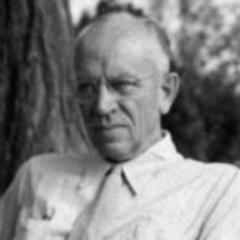
Filter quotes by topic
Famous Aldo Leopold Quotes
Source: A Sand County Almanac and Sketches Here and There
Source: For the Health of the Land: Previously Unpublished Essays And Other Writings
Source: A Sand County Almanac, and Sketches Here and There
Source: Aldo Leopold: A Sand County Almanac & Other Writings on Conservation and Ecology: (Library of America #238)
“Wilderness is a resource which can shrink but not grow.”
Source: A Sand County Almanac, and Sketches Here and There
Source: A Sand County Almanac, and Sketches Here and There
“If we lose our wilderness, we have nothing left worth fighting for.”
Source: The river of the mother of God and other essays
Source: A Sand County Almanac, and Sketches Here and There
“Wilderness, then, assumes unexpected importance as a laboratory for the study of land - health.”
Source: A Sand County Almanac: And Sketches Here and There
Source: The River of the Mother of God: and other Essays by Aldo Leopold
“Wilderness is the very stuff America is made of.”
Source: The River of the Mother of God: and other Essays by Aldo Leopold
Source: A Sand County Almanac: And Sketches Here and There
“What avail are forty freedoms without a blank spot on the map?”
Source: A Sand County Almanac: And Sketches Here and There
“I am glad I will not be young in a future without wilderness.”
Source: A Sand County Almanac, and Sketches Here and There
Source: Aldo Leopold: A Sand County Almanac & Other Writings on Conservation and Ecology: (Library of America #238)
Source: A Sand County Almanac: And Sketches Here and There
Source: Aldo Leopold's Southwest
“Wilderness is the raw material out of which man has hammered the artifact called civilization.”
Source: Aldo Leopold: A Sand County Almanac & Other Writings on Conservation and Ecology: (Library of America #238)
Source: Aldo Leopold's Southwest
Source: A Sand County Almanac, and Sketches Here and There
Source: A Sand County Almanac: And Sketches Here and There
Source: Aldo Leopold: A Sand County Almanac & Other Writings on Conservation and Ecology: (Library of America #238)
Source: Aldo Leopold: A Sand County Almanac & Other Writings on Conservation and Ecology: (Library of America #238)
“We abuse land because we regard it as a commodity belonging to us.”
Source: A Sand County Almanac, and Sketches Here and There
Source: A Sand County Almanac, and Sketches Here and There