Source: A Sand County Almanac and Sketches Here and There
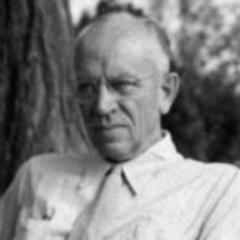
Filter quotes by topic
Famous Aldo Leopold Quotes
Source: Round River
Source: A Sand County Almanac, and Sketches Here and There
“Time was when education moved toward soil, not away from it.”
Source: A Sand County Almanac, and Sketches Here and There
Source: Round River
Source: The River of the Mother of God: and other Essays by Aldo Leopold
Source: A Sand County Almanac
Source: A Sand County Almanac, and Sketches Here and There
Source: Round River
Source: For the Health of the Land: Previously Unpublished Essays And Other Writings
Source: Aldo Leopold: A Sand County Almanac & Other Writings on Conservation and Ecology: (Library of America #238)
Source: A Sand County Almanac, and Sketches Here and There
“Teach the student to see the land, understand what he sees, and enjoy what he understands.”
Source: Aldo Leopold: A Sand County Almanac & Other Writings on Conservation and Ecology: (Library of America #238)
Source: A Sand County Almanac
Source: Aldo Leopold: A Sand County Almanac & Other Writings on Conservation and Ecology: (Library of America #238)
“Wilderness, then, assumes unexpected importance as a laboratory for the study of land - health.”
Source: A Sand County Almanac: And Sketches Here and There
“Conservation is a state of harmony between men and land.”
Source: Round River
Source: Aldo Leopold: A Sand County Almanac & Other Writings on Conservation and Ecology: (Library of America #238)
Source: Aldo Leopold's Southwest
Source: Round River
Source: Round River
Source: Round River
Source: Aldo Leopold: A Sand County Almanac & Other Writings on Conservation and Ecology: (Library of America #238)
Source: For the Health of the Land: Previously Unpublished Essays And Other Writings
Source: A Sand County Almanac: And Sketches Here and There
Source: A Sand County Almanac: And Sketches Here and There
Source: A Sand County Almanac, and Sketches Here and There
Source: A Sand County Almanac, and Sketches Here and There
Source: Aldo Leopold: A Sand County Almanac & Other Writings on Conservation and Ecology: (Library of America #238)
Source: The River of the Mother of God: and other Essays by Aldo Leopold
Source: The River of the Mother of God: and other Essays by Aldo Leopold
Source: Aldo Leopold: A Sand County Almanac & Other Writings on Conservation and Ecology: (Library of America #238)
Source: A Sand County Almanac
Source: The River of the Mother of God: and other Essays by Aldo Leopold
“The oldest task in human history: to live on a piece of land without spoiling it.”
Source: Aldo Leopold: A Sand County Almanac & Other Writings on Conservation and Ecology: (Library of America #238)
Source: Aldo Leopold: A Sand County Almanac & Other Writings on Conservation and Ecology: (Library of America #238)
“The land-relation is still strictly economic, entailing privileges but not obligations”
Source: The River of the Mother of God: and other Essays by Aldo Leopold
Source: Aldo Leopold: A Sand County Almanac & Other Writings on Conservation and Ecology: (Library of America #238)
Source: Aldo Leopold: A Sand County Almanac & Other Writings on Conservation and Ecology: (Library of America #238)
“Health is the capacity of the land for self-renewal.”
Source: Aldo Leopold's Southwest
Source: Aldo Leopold: A Sand County Almanac & Other Writings on Conservation and Ecology: (Library of America #238)