Filter quotes by topic
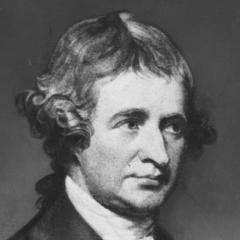
Famous Edmund Burke Quotes
“Those who have been intoxicated with power... can never willingly abandon it.”
Source: Revolutionary Writings: Reflections on the Revolution in France and the First Letter on a Regicide Peace
Source: Delphi Complete Works of Edmund Burke (Illustrated)
Source: The Works of the Right Honorable Edmund Burke ...: A vindication of natural society. An essay on the sublime and beautiful. Political miscellanies
Source: Delphi Complete Works of Edmund Burke (Illustrated)
“Among a people generally corrupt liberty cannot long exist.”
Source: The Beauties of the Late Right Hon. Edmund Burke: Selected from the Writings, &c. of that Extraordinary Man, Alphabetically Arranged ... to which is Prefixed, a Sketch of the Life, with Some Original Anecdotes of Mr. Burke
“Politics and the pulpit are terms that have little agreement.”
Source: Revolutionary Writings: Reflections on the Revolution in France and the First Letter on a Regicide Peace
“To tax and to please, no more than to love and to be wise, is not given to men.”
Source: Delphi Complete Works of Edmund Burke (Illustrated)
Source: Reflections on the Revolution in France and on the Proceedings in Certain Societies in London Relative to that Event: 1790
Source: Maxims and opinions, moral, political and economical, with characters, from the works of ... Edmund Burke
Source: The Writings and Speeches of Edmund Burke
Source: The Works and Correspondance of the Right Honourable Edmund Burke
“By hating vices too much, they come to love men too little.”
“Power gradually extirpates from the mind every humane and gentle virtue.”
Source: Delphi Complete Works of Edmund Burke (Illustrated)
Source: The Portable Edmund Burke