“A sense of the fundamental decencies is parceled out unequally at birth.”
Filter quotes by topic
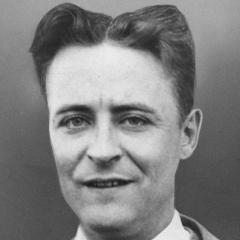
Famous F. Scott Fitzgerald Quotes
“So we beat on, boats against the current, borne back ceaselessly into the past.”
Source: (The Great Gatsby)
Source: The Great Gatsby
“It makes me sad because I've never seen such--such beautiful shirts before.”
Source: The Great Gatsby
Source: O Grande Gatsby: The Great Gatsby: Edição bilíngue português - inglês
Source: F. Scott Fitzgerald: Trimalchio: An Early Version of 'The Great Gatsby'
Source: F. Scott Fitzgerald: The Complete Novels (Book House)
Source: The Great Gatsby
Source: The Great Gatsby
Source: The Great Gatsby
“Let us learn to show our friendship for a man when he is alive and not after he is dead.”
Source: The Complete Works of F. Scott Fitzgerald: Novels, Short Stories, Poetry, Articles, Letters, Plays & Screenplays: From the author of The Great Gatsby, The Side of Paradise, Tender Is the Night, The Beautiful and Damned, The Love of the Last Tycoon, The Curious Case of Benjamin Button and many other notable works
Source: The Echoes of the Jazz Age Collection: The Beautiful and Damned, Winter Dreams, The Great Gatsby, Babylon Revisited, The Diamond as Big as the Ritz and many more
Source: The Complete Works of F. Scott Fitzgerald: Novels, Short Stories, Poetry, Articles, Letters, Plays & Screenplays: From the author of The Great Gatsby, The Side of Paradise, Tender Is the Night, The Beautiful and Damned, The Love of the Last Tycoon, The Curious Case of Benjamin Button and many other notable works
Source: The Great Gatsby
“No amount of fire or freshness can challenge what a man will store up in his ghostly heart.”
Source: The Great Gatsby
Source: The Echoes of the Jazz Age Collection: The Beautiful and Damned, Winter Dreams, The Great Gatsby, Babylon Revisited, The Diamond as Big as the Ritz and many more
Source: The Great Gatsby
“Tomorrow we will run faster, stretch out our arms farther.”
Source: The Great Gatsby
Source: The Complete Works of F. Scott Fitzgerald: Novels, Short Stories, Poetry, Articles, Letters, Plays & Screenplays: From the author of The Great Gatsby, The Side of Paradise, Tender Is the Night, The Beautiful and Damned, The Love of the Last Tycoon, The Curious Case of Benjamin Button and many other notable works
Source: The Great Gatsby
“The rich get richer and the poor get - children.”
Source: F. Scott Fitzgerald: The Great Gatsby
“Feel like criticizing any one," he told me, "just remember”
Source: F. Scott Fitzgerald: The Complete Novels (Book House)
“I've been drunk for about a week now, and I thought it might sober me up to sit in a library.”
Source: The Great Gatsby
“There are only the pursued, the pursuing, the busy and the tired.”
Source: F. Scott Fitzgerald: Trimalchio: An Early Version of 'The Great Gatsby'
“Every one suspects himself of at least one of the cardinal virtues.”