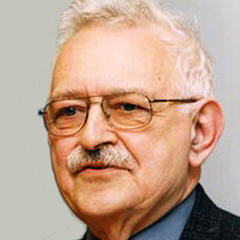
“The second reason why we haven't observed the growing gap is that our historical and social science analyses have concentrated on what has been happening within the 'middle classes' - that is, to that ten to fifteen percent of the population of the world-economy who consumed more surplus than they themselves produced. Within this sector there really has been a relatively dramatic flattening of the curve between the very top (less than one percent of the total population) and the truly 'middle' segments, or cadres (the rest of the ten to fifteen percent).” WorldHas BeensReasonSocialClassEconomyGrowingMiddleHavensTenHappeningsPercentCapitalismHistoricalPopulationReason WhyAnalysisDramaticMiddle ClassGapsFifteenCurvesConsumedSurplusSocial ScienceWorld EconomyCadre Author:Immanuel Wallerstein
“On the one hand, there has been a remarkable expansion of the total production and productivity of food production, and on the other hand an extraordinarily skewed distribution system, substituting medium-run threats for short-term threats for the majority of the world's population, particularly the 50 to 80 percent at the bottom.” WorldHas BeensHandsRunningTermPercentCapitalismMajorityThreatBottomPopulationProductionsProductivityMediumsRemarkableExpansionDistributionShort TermFood Production Book:Capistalist Civilisation Source: Capistalist Civilisation
“What is different in capitalist civilization has been two things. First, the process of meritocracy has been proclaimed as an official virtue instead of being merely a de facto reality. The culture has been different. And secondly, the percentage of the world's population for whom such ascent was possible has gone up. But even though it has grown up, meritocratic ascent remains very much the attribute of a minority.” WorldFirstsHas BeensTwoDifferentRealityCultureProcessGoneVirtueCivilizationCapitalismRemainsPopulationOfficialsTwo ThingsMinoritiesAttributesCapitalistPercentagesBeing MeAscentMeritocracy Author:Immanuel Wallerstein
“For the other end of the spectrum, the 50 to 85 percent of the world's population who are not the recipients of privilege, the world they know is almost certainly worse than any their earlier counterparts knew. It is likely they are worse off materially, despite the technological changes. In substantive as opposed to formal terms, they are more, not less, subject to arbitrary constraints, since the central mechanisms are more pervasive and more efficient. And they bear the brunt of the various kinds of psychic malaise, as well as of the destructiveness of civil wars.” KnowsWorldWellsKindWarEndsTermSubjectsBearsPercentCapitalismPrivilegePopulationVariousDespiteCivil WarMechanismEfficientFormalTechnologicalPsychicsArbitrarySpectrumConstraintsCounterpartsMalaiseDestructivenessTechnological Change Author:Immanuel Wallerstein