Quotessence
Home / Authors / Tenzin Wangyal Rinpoche Books
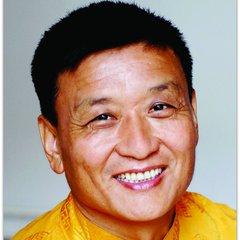
Tenzin Wangyal Rinpoche

Tenzin Wangyal Rinpoche Books

Author

Related Quotes

“I don't think there is anything like the awareness of space to process emotion. That space is such an incredible processor. There is no analysis equal to the processing capacity of open awareness. When you are trying to analyze something, you don't realize that the analyzer itself is part of the problem. Both the problem and the analyzer are constructions of the mind. But direct, open, naked awareness is not a construction of the mind but the nature of the mind itself, and therefore the greatest processor ever.”

“The attempt to satisfy greed is like drinking salty water when thirsty. When lost in greed we look outward rather than inward for satisfaction, yet we never find enough to fill the emptiness we wish to escape. The real hunger we feel is for knowledge of our true nature.”

“Developing the capacity for clear light dreams is similar to developing the capacity of abiding in the non-dual presence of rigpa during the day. In the beginning, rigpa and thought seem different, so that in the experience of rigpa there is no thought, and if thought arises we are distracted and lose rigpa. But when stabliity in rigpa is developed, thought simply arises and dissolves without in the least obscuring rigpa; the practitioner remains in non-dual awareness.”

“All experience and phenomena are understood to be a dream, this should not be just an intellectual understanding, but a vivid and lucid experience...Genuine integration of this point produces a profound change in the individual's response to the world. Grasping and aversion is greatly diminished, and the emotional tangles that once seemed so compelling are experienced as the tug of dream stories, and no more.”

“If we cannot remain present during sleep, if we lose ourselves every night, what chance do we have to be aware when death comes? If we enter our dreams and interact with the mind's images as if they are real, we should not expect to be free in the state after death. Look to your experience in dreams to know how you will fare in death. Look to your experience of sleep to discover whether or not you are truly awake.”

“We enter the bardo, the intermediate state after #‎ death , just as we enter dream after falling asleep. If our experience of #‎ dream lacks clarity and is of confused emotional states and habitual reactivity, we will have trained ourselves to experience the processes of death in the same way.”