Source: Selected Works of Virginia Woolf
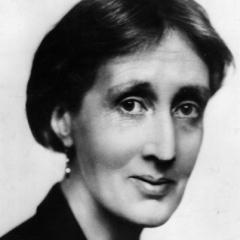
Filter quotes by topic
Famous Virginia Woolf Quotes
“I need not hate any man; he cannot hurt me. I need not flatter any man; he has nothing to give me.”
Source: Selected Works of Virginia Woolf
Source: Delphi Complete Works of Virginia Woolf (Illustrated)
Source: Orlando (Annotated): A Biography
“Growing up is losing some illusions, in order to acquire others.”
Source: Delphi Complete Works of Virginia Woolf (Illustrated)
“Love, the poet said, is woman's whole existence.”
Source: Orlando: A Biography
Source: Orlando: A Biography
Source: Selected Works of Virginia Woolf
Source: To the Lighthouse
Source: The Letters of Virginia Woolf: 1888-1912 (Virginia Stephen)
Source: Mrs Dalloway
Source: Mrs Dalloway
“Illusions are to the soul what atmosphere is to the earth.”
Source: Orlando: A Biography
Source: Selected essays
“I really don't advise a woman who wants to have things her own way to get married”
Source: Delphi Complete Works of Virginia Woolf (Illustrated)
“Whenever you see a board up with "Trespassers will be prosecuted," trespass at once.”
Source: A woman's essays: selected essays, volume one
“Would there be trees if we didn't see them?”
Source: The Years
“Am I a weed, carried this way, that way, on a tide that comes twice a day without a meaning?”
Source: The Years
Source: Selected Works of Virginia Woolf
Source: Mrs. Dalloway - Broadview Edition
“Money dignifies what is frivolous if unpaid for.”
Source: Selected Works of Virginia Woolf
Source: A Room of One's Own: And, Three Guineas
“When I cannot see words curling like rings of smoke round me I am in darkness—I am nothing.”
Source: The Waves
Source: To the Lighthouse
Source: The Common Reader
Source: Ao farol: To the lighthouse: Edição bilíngue português - inglês
“Does Nature supplement what man advanced? Or does she complete what he began?”
“I [who] am perpetually making notes in the margin of my mind for some final statement.”
Source: The Waves
Source: Mrs. Dalloway - Broadview Edition
Source: Orlando: A Biography
Source: Delphi Complete Works of Virginia Woolf (Illustrated)
“They went in and out of each other's minds without any effort.”
Source: Selected Works of Virginia Woolf
Source: Orlando
Source: The letters of Virginia Woolf
Source: Selected Works of Virginia Woolf
“Mrs Dalloway is always giving parties to cover the silence”
“He who robs us of our dreams robs us of our life.”
Source: Selected Works of Virginia Woolf
Source: A room of one's own and other essays
Source: Delphi Complete Works of Virginia Woolf (Illustrated)
Source: Selected Works of Virginia Woolf
Source: To the Lighthouse
“It was a silly, silly dream, being unhappy.”
Source: Mrs. Dalloway - Broadview Edition
“...she always had the feeling that it was very, very dangerous to live even one day.”
Source: Selected Works of Virginia Woolf
“The world wavered and quivered and threatened to burst into flames.”
Source: Delphi Complete Works of Virginia Woolf (Illustrated)