“EMOTION, n. A prostrating disease caused by a determination of the heart to the head. It is sometimes accompanied by a copious discharge of hydrated chloride of sodium from the eyes.”
Quote by Ambrose Bierce
Work
The Unabridged Devil's Dictionary
This book is a compilation of witty and often irreverent definitions, challenging conventional meanings and offering a critical commentary on society and human nature. It is a work of literary wit and social critique, celebrated for its clever wordplay and sharp observations. more
Author
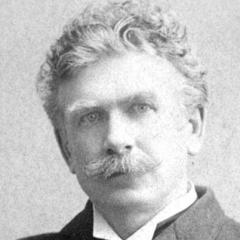
Ambrose Bierce
Ambrose Bierce was an American journalist, satirist, and editor, renowned for his sharp wit and dark humor. He is best known for his satirical novel 'The Devil's Dictionary' and his short stories. Bierce was born on June 24, 1842, and his exact date of death remains unknown, as he disappeared during the American Civil War. more
You May Also Like
Source: The Expression of the Emotions in Man and Animals
Source: Charles Darwin: An Anthology
Source: Charles Darwin: An Anthology
Source: Charles Darwin: An Anthology
Source: On the Origin of Species
“Of all the kind of pains, the greatest pain is to love and to love in vain.”
“As always in a musical collaboration: One has to like each other. As simple as that.”