“Though you have changed a thousand times, He has not changed once.”
Book:Morning and Evening
“Though you have changed a thousand times, He has not changed once.”
The title Morning and Evening suggests a structure or thematic concern with binary oppositions and daily rhythms. In literary and philosophical traditions, the pairing of morning and evening frequently serves as a metaphor for the span of human life, with morning representing youth, beginnings, and potential, while evening signifies maturity, endings, and reflection. The work may explore how human consciousness experiences and interprets these temporal divisions, or it may use the framework of a single day to examine broader existential questions. Without more specific identifying information, the content remains open to interpretation, though the title itself invokes the universal experience of diurnal cycles and the cultural meanings attached to different times of day across various societies and historical periods. more
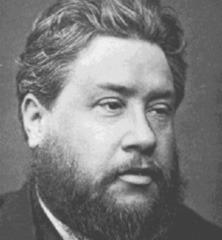
Charles Haddon Spurgeon, born on June 19, 1834, was a prominent Christian preacher from the United Kingdom. Known as the 'Preacher of London,' he was renowned for his passionate sermons and profound influence. Spurgeon's preaching drew thousands of listeners, and his writings had a widespread impact on the Christian world. more
“What fits your busy schedule better, exercising one hour a day or being dead 24 hours a day?”
“A strong body makes the mind strong.”