“When the last of the Reformers died, religion, instead of emancipating the nations, had become an excuse for the criminal art of despots. Calvin preached, and Bellarmine lectured; but Machiavelli reigned.”
Quote by Lord Acton
Work
The History of Freedom: Great Event
This book explores significant episodes in the evolution of freedom as a concept and practice, tracing how various movements, documents, and turning points have shaped the understanding and exercise of individual and collective liberties. The work considers how struggles for emancipation, self-determination, and civil rights have unfolded in different historical contexts, and how these developments continue to inform contemporary discussions about governance, citizenship, and human dignity. The scope encompasses philosophical foundations, institutional developments, and social transformations that have advanced or contested the expansion of freedom in public and private life. more
Author
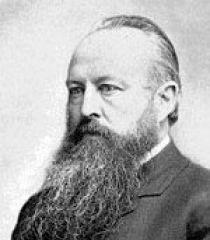
Lord Acton
British historian and political theorist, renowned for his profound insights into the relationship between freedom, power, and corruption. Lord Acton was one of the most influential thinkers of the Victorian era, and his works are still widely cited today. more
You May Also Like
“I have reached the end of my time, and have hardly come to the beginning of my task.”
Source: The History of Freedom (and other Essays)
Source: The History of Freedom: Great Event
“Grief turns out to be a place none of us know until we reach it.”
Source: The Year of Magical Thinking: The Play
Source: Slouching towards Bethlehem
“There's a point when you go with what you've got. Or you don't go.”
“To believe in'the greater good' isto operate, necessarily, in a certain ethical suspension.”