Quotessence
Home / Quotes / Quote by Johann Wolfgang von Goethe

Quote by Johann Wolfgang von Goethe

Work

The Poems of Goethe, Translated in the Original Metres, with a Sketch of Goethe's Life. By E. A. Bowring

The Poems of Goethe, Translated in the Original Metres, with a Sketch of Goethe's Life is a literary work that offers readers a translation of Johann Wolfgang von Goethe's poetry, maintaining the original poetic form. Accompanying the translations is a biographical overview of Goethe's life, providing context for his work. more

Author
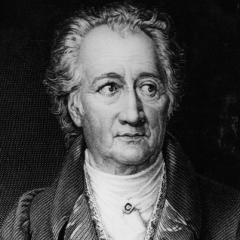
Johann Wolfgang von Goethe

Johann Wolfgang von Goethe, born on August 28, 1749, and died on March 22, 1832, was a prominent German writer, thinker, and scientist. He is one of the greatest writers in German literary history and his works have had a profound impact on the world. His most famous works include 'Faust' and 'The Sorrows of Young Werther'. more

You May Also Like

“On the first day of May the people of the crofter townland are up betimes and busy as bees about to swarm. This is the day of migrating, bho baile gu beinn (from townland to moorland), from the winter homestead to the summer sheiling. The summer of their joy is come, the summer of the sheiling, the song, the pipe and the dance, when the people ascend the hill to the clustered bothies, overlooking the distant sea from among the fronded ferns and fragrant heather, where neighbour meets neighbour, and lover meets lover.”

“It was the month of May, the month when the foliage of herbs and trees is most freshly green, when buds ripened and blossoms appear in their fragrance and loveliness. And the month when lovers, subject to the same force which reawakens the plants, feel their hearts open again, recall past trysts and past vows, and moments of tenderness, and yearn for a renewal of the magical awareness which is love.”

“What a time herbs and weeds, and such things could talk, A man in his garden one day did walk, Spying a nettle green (as th'emeraude) spread in a bed of roses like the ruby red. Between which two colors he thought, but his eye, The green nettle did the red rose beautify. "How be it," he asked the nettle, "what thing Made him so pert? So nigh the Rose to Spring.”

“And what if thou, sweet May, hast known Mishap by worm and blight; If expectations newly blown Have perished in thy sight; If loves and joys, while up they sprung, Were caught as in a snare; Such is the lot of all the young, However bright and fair.”

“All furnished, all in arms; All plum'd like estridges that with the wind Bated like eagles having lately bathed; Glittering in golden coats like images; As full of spirit as the month of May And gorgeous as the sun at midsummer; Wanton as youthful goats, wild as young bulls.”

“The chorus-ending from Aristophanes, raised every night from every ditch that drains into the Mediterranean, hoarse and primeval as the raven's croak, is one of the grandest tunes to walk by. Or on a night in May, one can walk through the too rare Italian forests for an hour on end and never be out of hearing of the nightingale's song.”

“Though a country be sundered, hills and rivers endure; And spring comes green again to trees and grasses Where petals have been shed like tears And lonely birds have sung their grief. ...After the war-fires of three months, One message from home is worth a ton of gold. ...I stroke my white hair. It has grown too thin To hold the hairpins any more.”

“Round a turn of the Qin Fortress winds the Wei River, And Yellow Mountain foot-hills enclose the Court of China; Past the South Gate willows comes the Car of Many Bells On the upper Palace-Garden Road-a solid length of blossom; A Forbidden City roof holds two phoenixes in cloud; The foliage of spring shelters multitudes from rain; And now, when the heavens are propitious for action, Here is our Emperor ready-no wasteful wanderer.”