“The motive forces of phantasies are unsatisfied wishes, and every single phantasy is the fulfillment of a wish, a correction of unsatisfying reality.”
Quote by Sigmund Freud
Work
Abstracts of the Standard edition of the complete psychological works of Sigmund Freud
This book provides a comprehensive collection of extracts from the standard edition of Sigmund Freud's complete psychological writings, offering readers a succinct overview of his theories and contributions to the field of psychology. more
Author
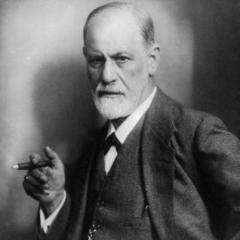
Sigmund Freud
Sigmund Freud, born on May 6, 1856, in Moravia, and died on September 23, 1939, in London, was an Austrian neurologist and the founder of psychoanalysis. Known as the father of modern psychology, Freud made significant contributions to the understanding of human psychology, introducing concepts such as the unconscious mind, dream analysis, and sexual theory. more
You May Also Like
Source: The Complete Novels of Sir Walter Scott: Waverly, Rob Roy, Ivanhoe, The Pirate, Old Mortality, The Guy Mannering, The Antiquary, The Heart of Midlothian and many more (Illustrated): The Betrothed, The Talisman, Black Dwarf, The Monastery, The Abbot, Kenilworth, Peveril of the Peak, A Legend of Montrose, The Fortunes of Nigel, Tales from Benedictine Sources…
Source: The Ends of the Earth: Perspectives on Modern Environmental History