Quotessence
Home / Quotes / Quote by Ajahn Brahm

Quote by Ajahn Brahm

“Our modern Western culture only recognises the first of these, freedom of desires. It then worships such a freedom by enshrining it at the forefront of national constituitions and bills of human rights. One can say that the underlying creed of most Western democracies is to protect their people's freedom to realise their desires, as far as this is possible. It is remarkable that in such countries people do not feel very free. The second kind of freedom, freedom from desires, is celebrated only in some religious communities. It celebrates contentment, peace that is free from desires.”

Quote by Ajahn Brahm

Author
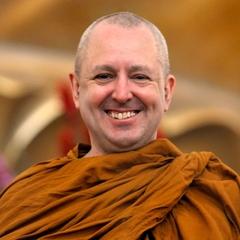
Ajahn Brahm
Ajahn Brahm

Ajahn Brahm, whose full name is Brahm Avamukha, is a renowned Thai monk and Buddhist teacher. Born on August 7, 1951, he developed a keen interest in Buddhism from a young age. Ajahn Brahm received rigorous monastic training in Thailand and moved to Australia in 1982, becoming a significant figure in the local Buddhist community. Known for his wisdom and compassion, he is dedicated to spreading Buddhist teachings and helping people find inner peace. more

You May Also Like

“Suffer me never to think that I have knowledge enough to need no teaching, wisdom enough to need no correction, talents enough to need no grace, goodness enough to need no progress, humility enough to need no repentance, devotion enough to need no quickening, strength sufficient without Your spirit; lest, standing still, I fall back for evermore.”

“A characteristic of those who are still progressing in blessed mourning is temperance and silence of the lips; and of those who have made progress - freedom from anger and patient endurance of injuries; and of the perfect - humility, thirst for dishonors, voluntary craving for involuntary afflictions, non- condemnation of sinners, compassion even beyond one's strength. The first are acceptable, the second laudable; but blessed are those who hunger for hardship and thirst for dishonor, for they shall be filled with the food whereof there can be no satiety.”

“A person who suffers bitterly when slighted or insulted should recognize from this that he still harbors the ancient serpent in his breast. If he quietly endures the insult or responds with great humility, he weakens the serpent and lessens its hold. But if he replies acrimoniously or brazenly, he gives it strength to pour its venom into his heart and to feed mercilessly on his guts. In this way the serpent becomes increasingly powerful; it destroys his soul's strength and his attempts to set himself right, compelling him to live for sin and to be completely dead to righteousness.”

“Ancient poets and sages have called the earth the mother of all things. They could hardly have chosen a more attractive name, or one that was more appropriate. From her lap springs everything that possesses life and motion, everything that flourishes, fades, and has its fated day, and she tirelessly provides material for the countless varied bodies that are created -- and then abandoned -- by the life force in its unending, hidden progress through nature.”