Quotessence
Home / Quotes / Quote by E. M. Forster

Quote by E. M. Forster

Work

Where Angels Fear to Tread

E.M. Forster's novel delves into the complexities of British expatriates living in Italy, focusing on the interactions between different social classes and the romantic entanglements that arise from these dynamics. more

Author
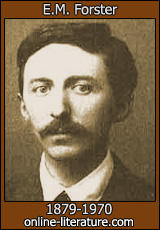
E. M. Forster
E. M. Forster

E. M. Forster was an English novelist known for his modernist works. His most famous novel, 'A Passage to India', delves into themes of colonialism and the intricacies of human relationships. Forster's writing is renowned for its wit, irony, and philosophical depth. more

You May Also Like

“...Karısını öpmek istemiş, Kiti onu itmişti. - Neyin var? Kiti hem sakin görünmek, hem de onu iğnelemek isteğiyle: - Senin keyfin yerinde... -diye söze başlamıştı. Ancak ağzını açar açmaz anlamsız bir kıskançlığın sitemleri, pencerenin önünde oturarak hiç kımıldamadan geçirdiği bu yarım saatte onu üzen ne varsa hepsi dışarı fırlamıştı. Düğünden sonra Kiti'yi kiliseden çıkarırken anlamadığı şeyi şimdi, şu anda ilk kez açıkça anlamıştı. Kiti'nin ona sadece yakın olmadığını, aynı zamanda Kiti'nin nerede, kendisinin nerede başladığını artık bilmediğini anlamıştı. Bunu, o anda hissettiği acı veren ikiye bölünme duygusundan anlamıştı. İlk anda gücenmişti, ama hemen o saniyede Kiti tarafından incitilemeyeceğini, Kiti'nin onun ta kendisi olduğunu hissetmişti. İlk anda birdenbire sırtına güçlü bir yumruk yiyip, suçluyu bulmak için öfkeyle ve öç almak isteğiyle başını arkaya çeviren ve kazara kendi kendisine vurduğuna, ortada kızacak kimse olmadığına, buna katlanmak ve acısını azaltmak gerektiğine inanan bir adamın hissettiğine benzer bir duyguya kapılmıştı.”

“The hour passed in jewels and alleys and winds from the Egyptian desert. The sun was golden and the Nile was muddy where it lapped down to the deltas, and there was someone very young and very quick at the top of the pyramid, laughing, calling to him to come on up the shadowy side into the sun, and he was climbing, she putting her hand down to help him up the last step, and then they were laughing on camel back, loping toward the great stretched bulk of the Sphinx, and late at night, in the native quarter, there was the tinkle of small hammers on bronze and silver, and music from some stringed instruments fading away and away and away . . .”

“If there were not thousands who still conceive that the sun and moon were created and are kept going for no other purpose than to lighten the darkness of our little planet; if only the other day a grave gentleman had not written a perfectly serious essay to show that the world is a flat plain, one would scarcely believe that there could still be people who doubt that ancient Egyptian is now read and translated as fluently as ancient Greek. Yet an Englishman whom I met in Egypt — an Englishman who had long been resident in Cairo, and who was well acquainted with the great Egyptologists who are attached to the service of the khedive — assured me of his profound disbelief in the discovery of Champollion. "In my opinion," said he, "not one of these gentlemen can read a line of hieroglyphics.”