“Emotions have no place in business, unless you do business with them.”
Quote by Friedrich Durrenmatt
Author
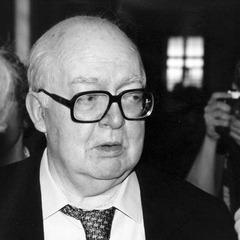
Friedrich Durrenmatt
Friedrich Durrenmatt, born on January 5, 1921, and died on December 14, 1990, was a Swiss German author. Known for his unique narrative style and profound philosophical thinking, he is considered one of the greatest playwrights of the 20th century. His works spanned various genres, with his plays being particularly celebrated. more
You May Also Like
Source: The Life of Samuel Johnson, LL. D.: Including a Journal of a Tour to the Hebrides
Source: The beauties of Samuel Johnson, LL. D.: consisting of maxims and observations, moral, critical, and miscellaneous: to which are now added biographical anecdotes of the doctor, selected from the works of Mrs. Piozzi;--his Life, recently published by Mr. Boswell, and other authentic testimonies; also his will, and the sermon he wrote for the late Doctor Dodd
Source: Lives
Source: The beauties of Samuel Johnson, LL. D.: consisting of maxims and observations, moral, critical, and miscellaneous: to which are now added biographical anecdotes of the doctor, selected from the works of Mrs. Piozzi;--his Life, recently published by Mr. Boswell, and other authentic testimonies; also his will, and the sermon he wrote for the late Doctor Dodd
Source: The Works of Samuel Johnson, LL.D.: With An Essay on His Life and Genius
Source: The Beauties of Samuel Johnson, Etc. (A New Edition, Being the Ninth.).
Source: The Wisdom of the Rambler, Adventurer, and Idler
Source: The Rambler
Source: The Works of Samuel Johnson, LL.D.: With An Essay on His Life and Genius
Source: The Rambler: In Four Volumes