“Even in the scorched and frozen world of the dead after the holocaust The wheel as it turns goes on accreting ornaments.”
Quote by Robert Pinsky
Work
History of My Heart: Poems
This poetry collection presents a series of lyrical works that delve into the inner landscape of human experience, focusing on the interplay between personal history and emotional depth. The poems often examine moments of longing, loss, and the search for meaning, using vivid imagery and a contemplative tone. The title suggests a journey through the heart's own narrative, where each poem serves as a fragment of a larger emotional chronicle. The collection is known for its accessible yet profound style, inviting readers to reflect on their own histories and the universal aspects of love and mortality. more
Author
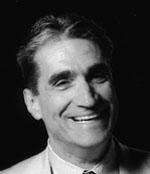
Robert Pinsky
Robert Pinsky is an American poet born on October 20, 1940. His poetry has received widespread acclaim and has won multiple awards, including the Pulitzer Prize for Poetry. Pinsky's poetry is known for its profound emotion and rich imagination. more
You May Also Like
“Young people think they know it all, but a lot of old salts around know they don't.”
“You have to be deviant if you're going to do anything new.”
“The black woman had had to struggle against being a person of great strength.”
Source: Essays in Quasi-Realism
Source: Harrington: 'The Commonwealth of Oceana' and 'A System of Politics'
Source: From Hegel to Existentialism