“There may be difficulty at the moment, but I will not lose the Virtue that I possess. It is when the ice and snow are on them that we see the strength of the cypress and the pine. I am grateful for this trouble around me, because it gives me an opportunity to realize how fortunate I am.”
Quote by Zhuangzi
Author
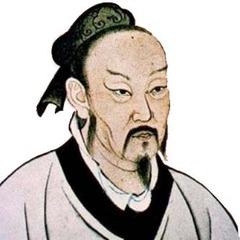
Zhuangzi
Zhuangzi, also known as Zhou, was a renowned philosopher during the Warring States period in China. As an important representative of the Taoist school, his philosophy emphasized the harmony with nature and the principle of 'wu wei' (non-action), which had a profound impact on later philosophy and culture. more
You May Also Like
“Problems are not problems at all, but results that are dissatisfying.”
Source: The Language of Letting Go: A Meditation Book and Journal for Daily Reflections
Source: Nathaniel Brandens Self-Esteem Every Day: Reflections on Self-Esteem and Spirituality
Source: Wit and Wisdom of Gandhi, Nehru, Tagore: Being a Treasury of Over Ten Thousand Invaluable and Inspiring Thoughts, Views, and Obervations on about Eight Hundred Subjects of Popular Interest, Collected from the Speeches and Writings of These Three Great Leaders of Modern India
“Don't hope for a life without problems. An easy life results in a judgmental and lazy mind.”
Source: The River of the Mother of God: and other Essays by Aldo Leopold
Source: A Sand County Almanac, and Sketches Here and There