“A nation under a well regulated government, should permit none to remain uninstructed. It is monarchical and aristocratical government only that requires ignorance for its support.”
Quote by Thomas Paine
Work
Rights of Man: Being an Answer to Mr. Burke's Attack on the French Revolution
Written by Thomas Paine, this work is a comprehensive defense of the rights of man and the ideals of the French Revolution, offering a direct response to Edmund Burke's critique of the revolution. Paine argues for the natural rights of individuals and the necessity of a government based on the will of the people. more
Author
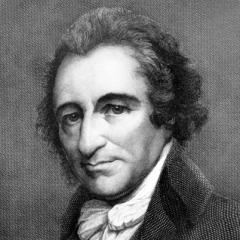
Thomas Paine
Thomas Paine, born on February 9, 1737, and died on June 8, 1809, was a prominent American writer, political figure, and philosopher during the American Revolutionary War. He is renowned for his radical democratic ideas and his contributions to the American independence movement. more
You May Also Like
Source: The Quotable George Washington: The Wisdom of an American Patriot
Source: Memoir, correspondence, and miscellanies from the papers of T. Jefferson
Source: Letters
Source: Memoir, Correspondence, and Miscellanies: From the Papers of Thomas Jefferson
Source: The Origin of the Nation: Declaration of Independence, Constitution, Bill of Rights and Other Amendments, Federalist Papers & Common Sense: Creating America - Landmark Documents that Shaped a New Nation