“It is so difficult to draw a clear line of separation between the abuse and the wholesome use of the press, that as yet we have found it better to trust the public judgment, rather than the magistrate, with the discrimination between truth and falsehood. And hitherto the public judgment has performed that office with wonderful correctness.”
Quote by Thomas Jefferson
Work
The Writings of Thomas Jefferson: Correspondence, contin
The Writings of Thomas Jefferson: Correspondence, continuation is a compilation of Jefferson's extensive correspondence, offering insight into his role in the American Revolution, his presidency, and his contributions to the drafting of the Declaration of Independence and the Constitution. more
Author
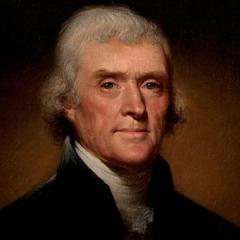
Thomas Jefferson
Thomas Jefferson was the third President of the United States, a distinguished politician, philosopher, architect, and scientist. He was born on April 13, 1743, and died on July 4, 1826. Jefferson advocated for democracy and freedom in politics and was one of the main authors of the Declaration of Independence. His political ideas had a profound impact on the founding and development of the United States. more
You May Also Like
Source: The Works of Thomas Jefferson: Correspondence and Papers, 1808-1816
Source: The writings of Thomas Jefferson
“As for what is not true, you will always find abundance in the newspapers.”
Source: Memoirs, Correspondence, and Private Papers of Thomas Jefferson: Late President of the United States
Source: Selected letters of Thomas Jefferson
Source: The Writings of James Madison: 1790-1802
Source: Correspondence [contin.] 1795-1804; 1777; 1791. Letters of H.G. 1789. Address to public creditors. 1790. Vindication of funding system. 1791
Source: Commentaries on the Constitution of the United States: With a Preliminary Review of the Constitutional History of the Colonies and States, Before the Adoption of the Constitution