Quotessence
Home / Quotes / Quote by Edmund White

Quote by Edmund White

Work

States of Desire Revisited: Travels in Gay America

This book offers a nuanced look into the lives of gay Americans, examining their diverse experiences and the evolving landscape of LGBTQ+ culture and society. more

Author
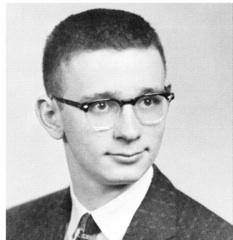
Edmund White
Edmund White

Edmund White, an American novelist born on January 13, 1940, is known for his delicate prose and profound emotional descriptions. His works cover a wide range of themes, including homosexuality, history, and literature. more

You May Also Like

“In our imaginations the adults of our childhood remain extreme, essential - we might say radical since they are the roots that fed luxuriant later systems. Those first bohemians, for instance, stay operatic in memory even though were we to meet them today - well, what would we think, we who've elaborated our eccentricities with a patience, a professionalism they never knew?”

“The school was nothing but reminiscence - of an Italian hill town, a French abbey, an English academy, the different sources improbably but convincingly melded into a fantasy about the classic sites of Europe as imagined by exiles from cold peripheral lands, nostalgia about somebody else's past.”

“Recognizing that the world is governed by a minority, the sexually active, and that they hold sway of a huge majority of the nonsexual, those people too young or too old or too poor or too homely or sick or crazy or powerless to be able to afford sexual partners (or the luxury of systematic, sustained and shared introspection, so sexual in its own way). All advertisements and films and songs are addressed to sexuals, to their rash whims and finicky tastes.”

“How thrilling to discover one had depths, how consoling to find them less polluted than the shallows, how encouraging to identify the enemy not as a fissure in the will but as a dead fetus in the specimen jar of the unconscious. My attention was being paternally led away from the excruciating present to the happy, healthy future that would be enabled by an analysis of the sick past, as though the priest had nothing to do but study old books and make bright forecasts, the present not worthy of notice.”