“There is a legend of an artist who long sought for a piece of sandalwood, out of which to carve a Madonna. He was about to give up in despair, leaving the vision of his life unrealized, when in a dream he was bidden to carve his Madonna from a block of oak wood which was destined for the fire. He obeyed and produced a masterpiece from a log of common firewood. Many of us lose great opportunities in life by waiting to find sandalwood for our carvings, when they really lie hidden in the common logs that we burn.”
Quote by Orison Swett Marden
Work
ORISON SWETT MARDEN Premium Collection - Wisdom & Empowerment Series (18 Books in One Volume): Steps to Success and Power, How to Get What You Want, An Iron Will, Be Good to Yourself, Every Man A King, Keeping Fit, Prosperity – How to Attract It, Stepping-Stones To Fame And Fortune...
This collection includes various titles by Orison Swett Marden, a renowned author in the field of self-improvement. The works cover a range of topics such as achieving success, cultivating a strong will, self-care, and attracting prosperity. The series is designed to provide insights and guidance for personal growth and empowerment. more
Author
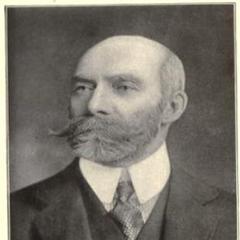
Orison Swett Marden
Orison Swett Marden was an American author and motivational speaker, born in 1850 and died in 1924. His works primarily revolve around the themes of personal growth, success, and self-improvement, which have been well-received by readers. more
You May Also Like
“Sometimes pain is easier to bear alone than happiness.”
Source: Nathaniel Brandens Self-Esteem Every Day: Reflections on Self-Esteem and Spirituality
Source: Words That Heal: Affirmations and Meditations for Daily Living
Source: Pay Attention, for Goodness' Sake: Practicing the Perfections of the Heart--The Buddhist Path of Kindness
Source: The Age of Miracles: Embracing the New Midlife: Easyread Super Large 20pt Edition
Source: Never Alone: A Personal Way to God