Quotessence
Home / Quotes / Quote by Franz Kafka

Quote by Franz Kafka

“Human nature, essentially changeable, as unstable as the dust, can endure no restraint; if it binds itself it soon begins to tear madly at its bonds, until it rends everything asunder, the wall, the bonds, and its very self.”
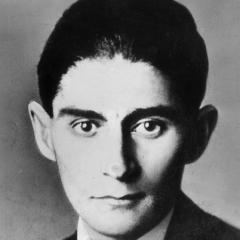
Quote by Franz Kafka

Book:Kafka's

Work

Kafka's

Kafka's writings explore themes of alienation, existential dread, and the absurdity of human existence. His most famous works include 'The Trial', 'The Castle', and 'The Metamorphosis', which have had a profound impact on modern literature and philosophy. more

Author

Franz Kafka
Franz Kafka

Franz Kafka (July 3, 1883 - June 3, 1924) was an important German-language novelist of the 20th century, known for his unique literary style and profound philosophical thoughts. His works, often themed around loneliness, alienation, and existentialism, have had a profound impact on literature and philosophy. more

You May Also Like

“To the end, I will remain a child of Europe, of worry and of shame. I have no message of hope to deliver. For the West, I do not feel hatred. At most I feel a great contempt. I know only that every single one of us reeks of selfishness, masochism and death. We have created a system in which it has simply become impossible to live, and what's more, we continue to export it.”

“Without beauty a girl is unhappy because she has missed her chance to be loved. People do not jeer at her, they are not cruel to her, but it is as if she were invisible, no eyes follow her as she walks. People feel uncomfortable when they are with her. They find it easier to ignore her. A girl who is exceptionally beautiful, on the other hand, who has something which too far surpasses the customary seductive freshness of adolescence, appears somehow unreal. Great beauty seems invariably to portend some tragic fate.”

“Depressive lucidity, usually described as a radical withdrawal from ordinary human concerns, generally manifests itself by a profound indifference to things which are genuinely of minor interest. Thus it is possible to imagine a depressed lover, while the idea of a depressed patriot seems frankly inconceivable.”