Quotessence
Home / Quotes / Quote by Clarissa Pinkola Estes

Quote by Clarissa Pinkola Estes

“If you've lost focus, just sit down and be still. Take the idea and rock it to and fro. Keep some of it and throw some away, and it will renew itself. You need do no more.”

Quote by Clarissa Pinkola Estes

Author
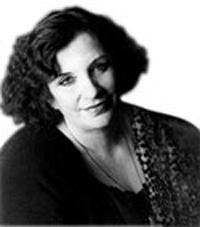
Clarissa Pinkola Estes

Clarissa Pinkola Estes is an American poet born on January 27, 1945. Her works are characterized by a unique feminine perspective and rich mythological stories, which have won the favor of readers. more

You May Also Like

“While I am watching the birds I believe I am comparatively immune from the assaults of life. The very indifference to humanity of these wild creatures affords me a certain safeguard. Where all else is dangerous, hostile and liable to inflict pain, they alone can do me no injury because, probably, they are not even aware of my existence. The birds are at once my refuge and my relaxation.”

“I always see to the dogs first and leave the cats and the occasional birds and rabbits and hamsters for later. It isn't that I play favorites, it's just that dogs are needier than other pets. Leave a dog alone for very long and it'll start going a little nuts. Cats, on the other hand, try to give you the impression that they didn't even notice you were gone. Oh, were you out? they'll say, I didn't notice. Then they'll raise their tails to show you their little puckered anuses and walk away.”

“Now, being in Africa, I was hungry for more of it, the changes of the seasons, the rains with no need to travel, the discomforts that you paid to make it real, the names of the trees, of the small animals, and all the birds, to know the language and have time to be in it and to move slowly.”

“Candleford Green was but a small village and there were fields and meadows and woods all around it. As soon as Laura crossed the doorstep, she could see some of these. But mere seeing from a distance did not satisfy her; she longed to go alone far into the fields and hear the birds singing, the brooks tinkling, and the wind rustling through the corn, as she had when a child. To smell things and touch things, warm earth and flowers and grasses, and to stand and gaze where no one could see her, drinking it all in.”

“Even in a minute instance, it is best to look first to the main tendencies of Nature. A particular flower may not be dead in early winter, but the flowers are dying; a particular pebble may never be wetted with the tide, but the tide is coming in. To the scientific eye all human history is a series of collective movements, destructions or migrations, like the massacre of flies in winter or the return of birds in spring.”