“Depression - that limp word for the storm of black panic and half-demented malfunction - had over the years worked itself out in Charlotte's life in a curious pattern. Its onset was often imperceptible: like an assiduous housekeeper locking up a rambling mansion, it noiselessly went about and turned off, one by one, the mind's thousand small accesses to pleasure.”
Quote by Sebastian Faulks
Work
Charlotte Gray: A Novel
Charlotte Gray is a historical novel that delves into the tumultuous period of World War II. The narrative centers on the protagonist, Charlotte Gray, who assumes a false identity to infiltrate the German-occupied France. As she navigates the complexities of espionage and the war-torn landscape, the story explores themes of loyalty, betrayal, and the human cost of conflict. more
Author
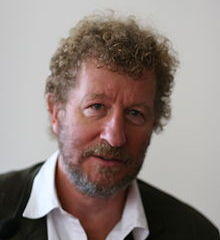
Sebastian Faulks
Sebastian Faulks is a renowned British novelist known for his delicate writing style and profound character portrayals. His works cover a range of themes including World War II, love, and history, with 'Birdsong' and 'The Man Who Could Not Stop Laughing' being his most representative works. more
You May Also Like
Source: Enna Burning
Source: Making History
“I see my life in terms of music.”
Source: Bite-Size Einstein: Quotations on Just About Everything from the Greatest Mind of the Twentieth Century
“Pittsburgh entered the core of my heart when I was a boy and cannot be torn out.”
Source: A Carnegie Anthology