“What would become of history, had we not a dependence on the veracity of the historian, according to the experience, what we have had of mankind?”
Quote by David Hume
Work
Essays and Treatises on Philosophical Subjects
This book delves into a range of philosophical subjects, offering insights and analyses on diverse topics within the field of philosophy. more
Author
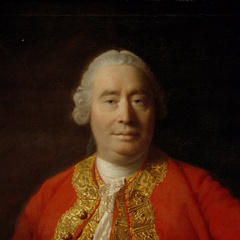
David Hume
David Hume, born on May 7, 1711, in Edinburgh, Scotland, and died on August 25, 1776, was an outstanding philosopher, historian, and economist. Known for his contributions to empiricism and skepticism, his works have had a profound impact on subsequent philosophy, economics, and psychology. more
You May Also Like
“For the millions that suffer unjustly, the Confessing Church does not yet have a heart.”
Source: The Humanity of God
Source: Church Dogmatics: pt. 1. The doctrine of the word of God
Source: Church Dogmatics: The doctrine of the word of God (2 pts.)
Source: Church Dogmatics: The doctrine of the word of God (2 pts.)
Source: Church Dogmatics The Doctrine of God, Volume 2, Part 1: The Knowledge of God; The Reality of God