Quotessence
Home / Quotes / Quote by Diane Ackerman

Quote by Diane Ackerman

“If a mind is just a few pounds of blood, urea, and electricity, how does it manage to contemplate itself, worry about its soul, do time-and-motion studies, admire the shy hooves of a goat, know that it will die, enjoy all the grand and lesser mayhems of the heart ?”

Quote by Diane Ackerman

Author
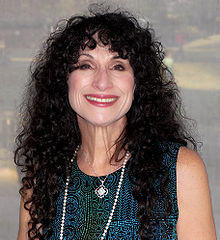
Diane Ackerman
Diane Ackerman

Diane Ackerman is an American author known for her rich imagination and unique writing style. Her works cover a wide range of subjects including nature, literature, and art, with her books 'A Year in the Garden' and 'A Natural History of the Senses' particularly beloved by readers. more

You May Also Like

“The difference between a good educator and a great educator is that the former figures out how to work within the constraints of traditional policies and accepted assumptions, whereas the latter figures out how to change whatever gets in the way of doing right by kids. 'But we've always...', 'But the parents will never...', 'But we can't be the only school in the area to...' - all such protestations are unpersuasive to great educators. If research and common sense argue for doing things differently, then the question isn't whether to change course but how to make it happen.”

“Tradition, history and respect; that kind of qualities I admire, that I want to see preserved. Time is the only commodity that matters. Being successful doesn't make you manage your time well; managing your time well makes you successful. Goals, Priorities, and Planning. Why am I doing this? What is the goal? Why will I succeed? What happen if I chose not to do it? 'Good judgement comes from experience, experience comes from bad judgement'.”

“Designers must educate the public that design is about strategy, not decoration. However, such attempts are repeatedly undermined by a design world hooked on competitions and awards ceremonies that celebrate creativity instead of strategy results and sustainability.”

“Students generally have very little idea of the world they are entering into, and their teachers - like parents - are viewed as beings who alternately guide and admonish; rarely are those teachers viewed as individuals or is their professional standing considered. It is usually only afterward, when young people encounter real-life situations in their chosen professions that they sometimes learn (if they are lucky) that they studied with one of the greats.”