Quotessence
Home / Quotes / Quote by George Eliot

Quote by George Eliot

Work

Adam Bede

Adam Bede is a classic novel by George Eliot, published in 1859. The story unfolds in the fictional village of Highbury, offering a detailed portrayal of the social and moral fabric of rural England during the Victorian era. The narrative centers on the lives of Adam Bede, a simple and honest carpenter, and his romantic involvement with Hetty Sorrel, a young woman with a complex character. The novel explores themes of social class, morality, and the consequences of human actions, providing a rich tapestry of the era's rural life. more
Author

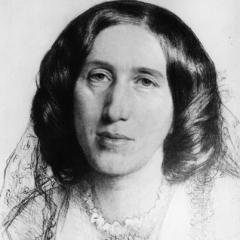
George Eliot
George Eliot

George Eliot, born Mary Ann Evans, was a renowned 19th-century British novelist. Her works are known for their profound psychological insights and critical exploration of social issues. With her unique narrative techniques and rich emotional expression, she has had a profound impact on literature. more

You May Also Like

“In the chequered area of human experience the seasons are all mingled as in the golden age: fruit and blossom hang together; in the same moment the sickle is reaping and the seed is sprinkled; one tends the green cluster and another treads the wine-press. Nay, in each of our lives harvest and spring-time are continually one, until Death himself gathers us and sows us anew in his invisible fields.”

“The great river-courses which have shaped the lives of men have hardly changed; and those other streams, the life-currents that ebb and flow in human hearts, pulsate to the same great needs, the same great loves and terrors. As our thought follows close in the slow wake of the dawn, we are impressed with the broad sameness of the human lot, which never alters in the main headings of its history--hunger and labour, seed-time and harvest, love and death.”

“When our life is a continuous trial, the moments of respite seem only to substitute the heaviness of dread for the heaviness of actual suffering; the curtain of cloud seems parted an instant only that we may measure all its horror as it hangs low, black, and imminent, in contrast with the transient brightness; the waterdrops that visit the parched lips in the desert bear with them only the keen imagination of thirst.”

“Looking at your life as a debt may seem the dreariest view of things at a distance; but it cannot really be so. What makes life dreary is the want of motive; but once beginning to act with the penitential, loving purpose you have in your mind, there will be unexpected satisfactions--there will be newly-opening needs--continually coming to carry you on from day to day. You will find your life growing like a plant.”